
By Jen Murphy
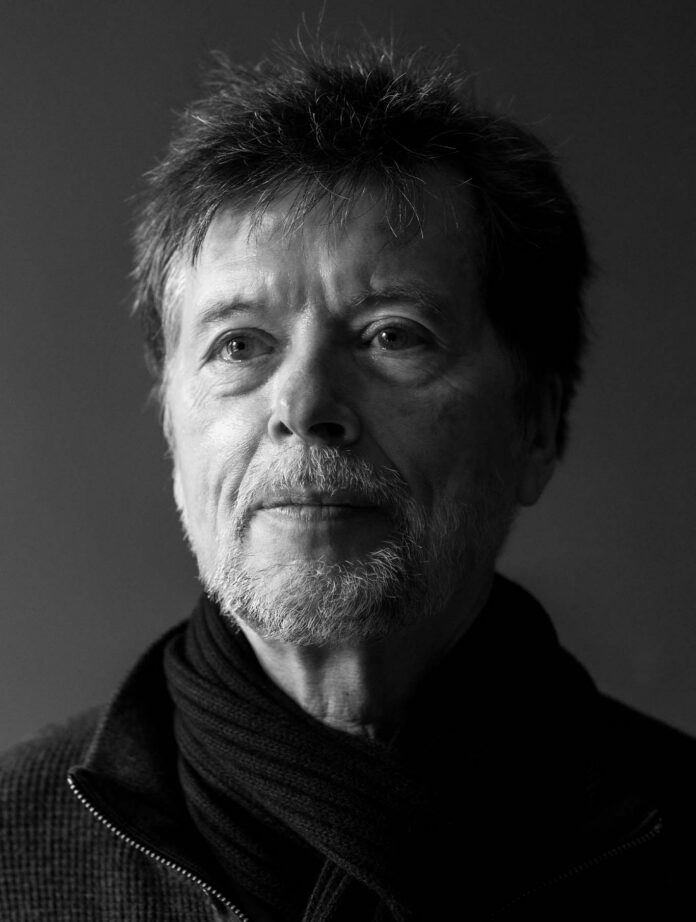
In the age of social media, Ken Burns still firmly believes in the power of film to capture the collective imagination. The acclaimed American documentarian has produced opuses on topics including the national parks, country music, the American buffalo, and Benjamin Franklin. With each film, he endeavors to answer a single, though certainly complex, question: Who are Americans?
Burns’s most recent project, The American Revolution, is a six-part series that answers that question through the lens of the nation’s founding and its ensuing struggles toward freedom. He devoted nearly a decade to the $30 million series, which debuted in November 2025. The effort proved worthwhile: The documentary landed PBS, Burns’s longtime broadcast partner, on Nielsen’s top 10 streaming list for the first time.
This year, Burns was named the Aspen Institute’s 2026–2027 Harman/Eisner Artist in Residence and was a speaker at the annual Aspen Ideas Festival. Here, he shares insights on his process, upcoming projects, and why we need events like the Aspen Ideas Festival more than ever.
You’ve been a fixture of the Aspen Ideas Festival over the years. What keeps you coming back?
The conversations. We no longer have just a handful of newspapers and wire services. There are millions of media outlets and they are all so fragmented. A gathering like the Aspen Ideas Festival permits us to coalesce around ideas and each other. It reminds us of the benefits of community. I find it very stimulating—and it’s not a social scene. It truly is all about ideas at the end of the day. It also gives me a platform to talk about my projects. My films are all grant funded and, over the years, donors from Aspen have stepped up in incredibly generous ways to help us meet budgets.
What drew you to make historical documentaries?
Because of my partnership with PBS, there are thousands of schools across America that show my films about the Civil War and Lewis and Clark’s journey. These are important stories, and film brings them to life.
Why tell the story of the American Revolution now?
The American Revolution was an incredibly divided time. America is facing division today. History gives you perspective. When you look back we were way more divided then than now. America’s origin story as a country was bloody and dark, but it’s also a story of unity and radical ideas.
How do you make a compelling documentary about a period in time where photos, film, and newsreels didn’t exist?
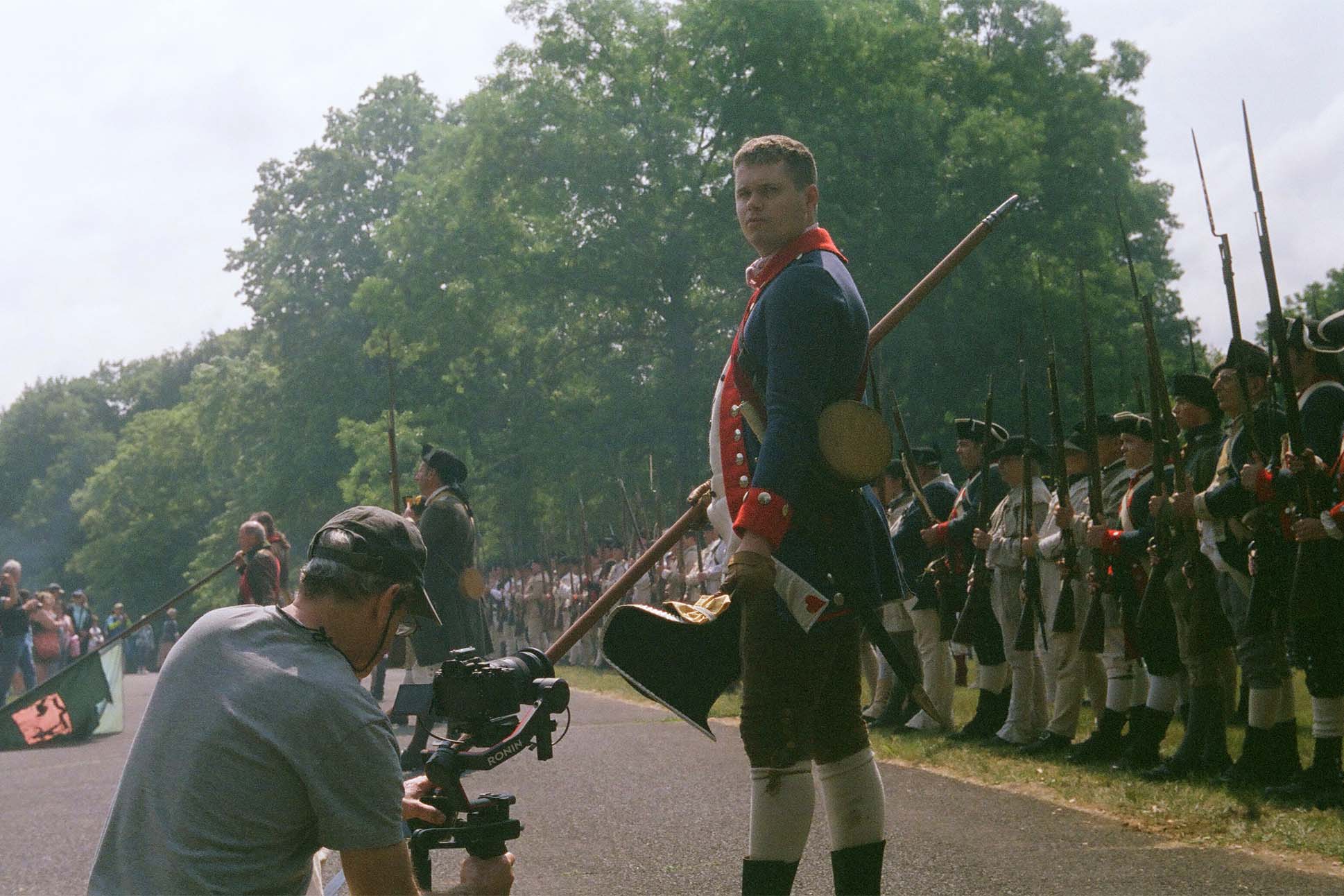
I’m known for my editing technique, now nicknamed the “Ken Burns effect.” I bring static images to life by applying slow camera panning. But we couldn’t rely on that alone for this film. I don’t love reenactments but I saw no way around them so we also shot hundreds of costumed reenactors to complement the archival footage. We also enlisted an all-star cast of voice actors, including Meryl Streep and Morgan Freeman, to read first-person testimonies from historical characters.
Why was it important to you to include a diversity of scholarly voices?
The American Revolution meant different things to different people, and still does. We need many perspectives to convey that. Off camera, we spoke to more than 20 scholars of three generations and invited them to screening after screening and listened to their opinions.
What is the secret to making a good film?
I love being in the editing room. That’s where these films take shape. We collected 400 hours of footage for American Revolution and had to distill it down to 12. You have to take something out to make it better.
Do you have a creative process?
I go on long walks in the early morning. I’ve written letters and poems and fixed scenes on those walks.
What future projects are you working on?
I’ve been working on the history of LBJ and the Great Society and also the Reconstruction. I’ve also completed interviews with Barack Obama over the last six years and I imagine that series will be a multipart biography similar to my series on the Roosevelts.