
By Jen Murphy
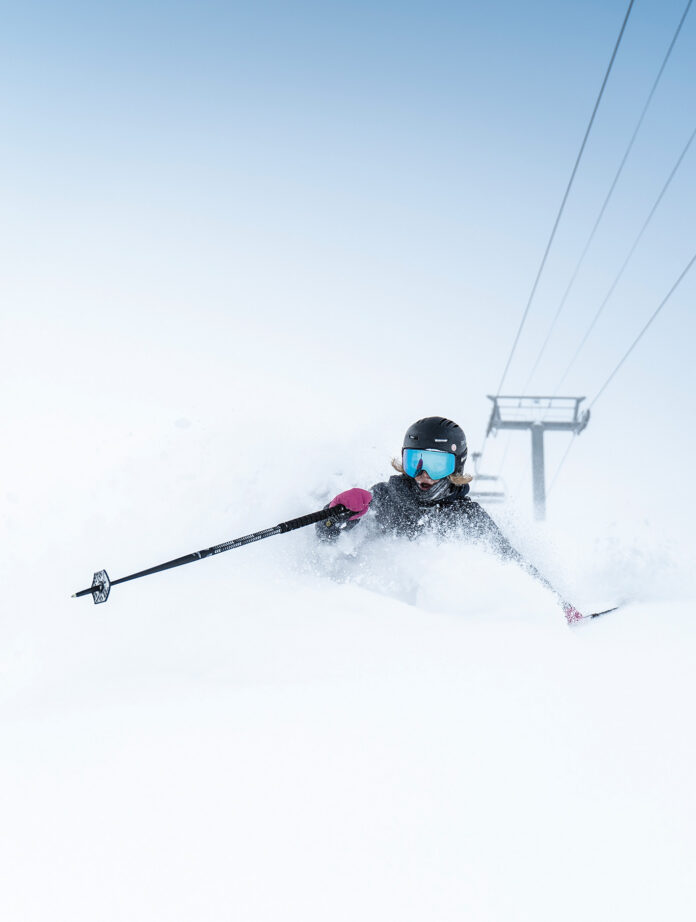
As Kayla Kreeger rode the chairlift high above the frosted slopes at Snowmass Mountain last March, the noise of the world seemed to fade away. “It was peaceful in a way I didn’t expect,” she recalls. And when she made the first turns on her snowboard, under the guidance of instructor Casey Quam, she felt a profound sense of calm. “There was adrenaline, but also clarity. My mind didn’t have space to wander into old memories or stress.”
Many people come to Aspen Snowmass to chase a thrill, but for Kreeger and 19 other U.S. veterans diagnosed with post-traumatic stress disorder (PTSD), these mountains are a place to heal through skiing and snowboarding, thanks to Aspen Elevation Institute. Founded by Matt Zeller, an Aspen ski instructor and U.S. Army combat veteran, the nonprofit provides veterans with therapeutic relief through skiing and snowboarding.
Zeller had tried every therapy approved by the U.S. Department of Veterans Affairs (VA)—art, music, surfing, equine—to help ease his own PTSD and traumatic brain injury (TBI). “None worked for me as well as skiing,” he says. “The injured parts of my mind go quiet. It’s the most zen activity of my day.” He wanted to share this discovery with others, but encountered a hurdle: Skiing and snowboarding are not VA-approved therapeutic sports programs. Ever the soldier, Zeller embarked on a mission to change that.
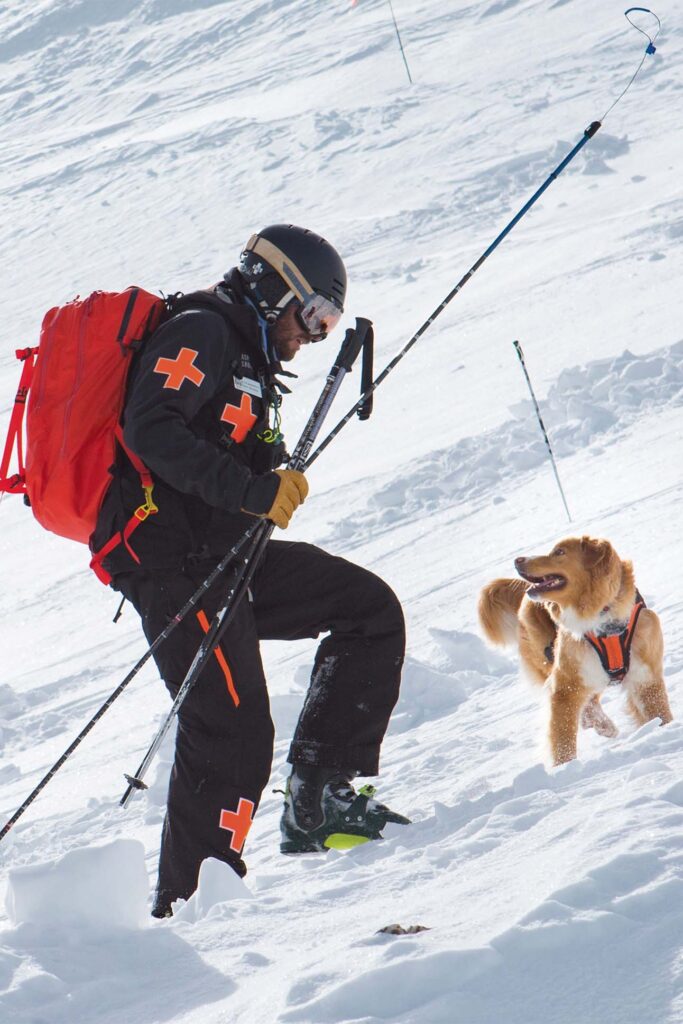
In 2024, he approached Aspen One CEO Dave Tanner, a U.S. Air Force veteran, and explained that in order for skiing and snowboarding to receive VA approval, he’d need to submit a medical study to show their therapeutic benefits. With Tanner’s support and the financial backing of Aspen One, Zeller created the institute one year later. “As a veteran myself, I understand what these men and women carry home with them,” Tanner says. “Matt’s vision reimagines recovery—outdoors, on snow, and in community, and we’re committed to helping it thrive.”
Last winter, Aspen Elevation Institute enlisted 30 veterans as part of a pilot study. Ten served as an off-snow control group. The remaining cohort was flown to Aspen for a week of one-on-one ski and snowboard instruction. Upon arrival, participants completed assessments, including a WAVi brain scan, right-eye oculomotor screening, and PTSD self-report questionnaire to establish their pre-program neurological and psychological baseline.
Each participant was paired with an instructor. Many, like Kreeger, had dabbled in snowsports before. Four were first-timers. “The instructors were the secret sauce,” Zeller says. “Their presence was essential for the therapeutic growth of the participants. Their job wasn’t to make these vets the best skiers and snowboarders, but to instill their love and joy for skiing and snowboarding into each individual.”
My mind didn’t have space to wander into old memories or stress.
Prior to departure, the 20 veterans underwent evaluations that mirrored their baseline testing and evaluated short-term changes in PTSD symptoms, mental well-being, and neurocognitive and autonomic function. Aspen Elevation Institute tapped John Drozd, PhD, a clinical psychologist and Air Force veteran, to oversee the research. “The hypothesis was that aspects of sliding on snow put the brain in a flow state and help repair neural pathways and reduce inflammation in the brain,” Zeller says. “Based on our preliminary findings, we’re onto a breakthrough.”
Initial data suggested that five days of skiing or snowboarding is the therapeutic equivalent of six months of any other VA-approved therapy. “Around 80 percent of participants demonstrated a clinically meaningful reduction in PTSD symptoms,” Zeller says. “We know there is a short-term benefit but now we want to look at what happens in the long term, when they’re off the slopes.”
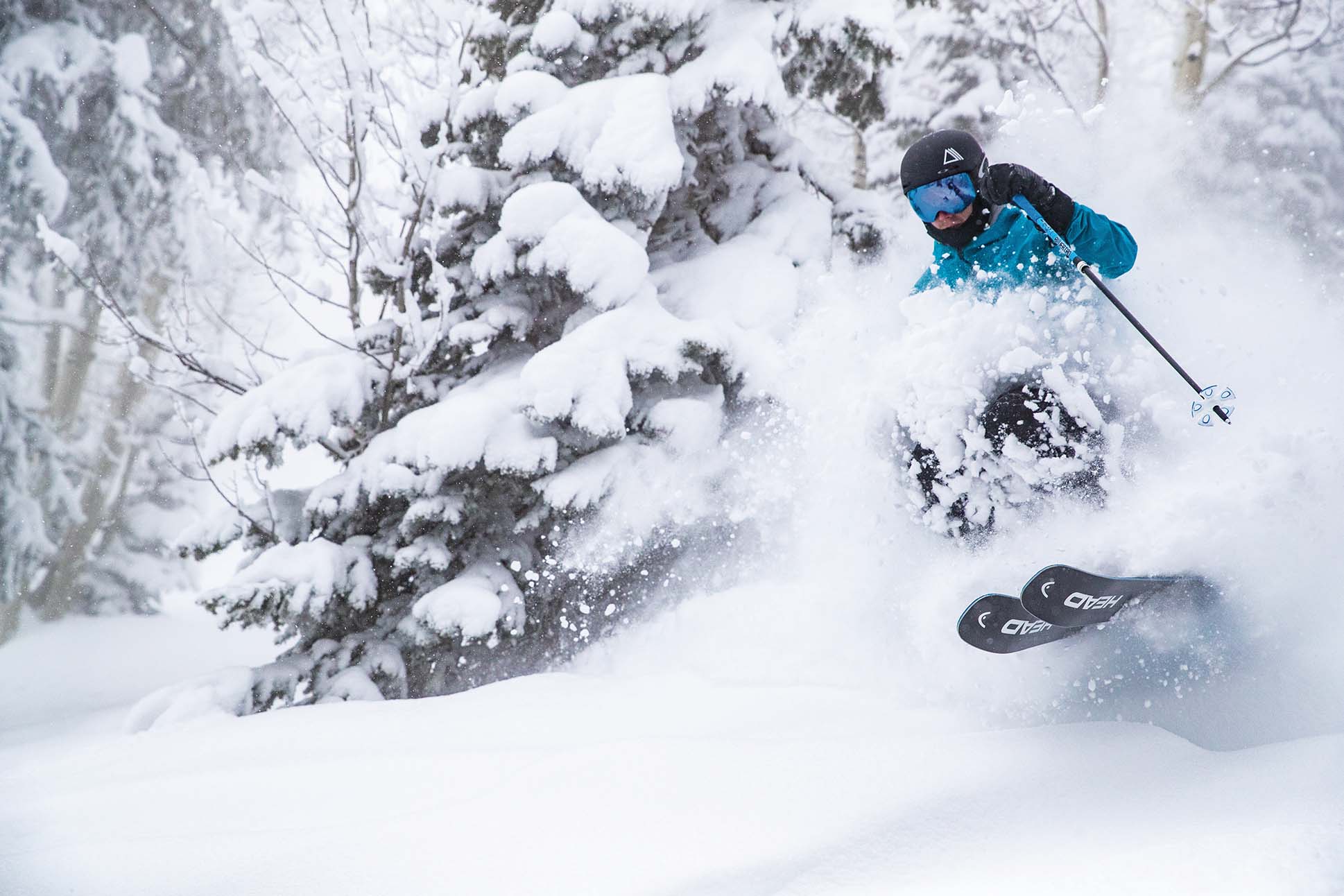
Kreeger, who is based in Pennsylvania and served 13 years in the Army Reserve, says at week’s end she wanted to keep going, not just because it was fun, but because it gave her a sense of confidence. She said what surprised her most was how the mountains, a landscape that can be harsh, rugged, and unforgiving, could also be so healing.
Zeller spent two weeks in Washington, D.C., over the summer collecting signatures of support from senators and congress members that he plans to present to the VA alongside the institute’s research. This winter, Aspen Elevation Institute will replicate its research with a group of 90 veterans, 60 of whom will come to Aspen Snowmass for a week of skiing and snowboarding. A third-party review board will be enlisted to validate data gathered from participants.
“The goal is to have any vet walk into a VA doctor’s office and, if they are diagnosed with PTSD or TBI, have skiing or snowboarding included as a therapy option,” Zeller says. “Programs like ours teach vets that, in a moment of crisis, they don’t have to reach for pills or a bottle, they can reach for their skis, head to the mountain, and work out their troubles on the hill.” Learn more about Aspen Elevation Institute at elevationinstitute.org.