

By Amiee White Beazley
Photography by Trevor Triano
Carbondale resident Mark Burrows never imagined chocolate could yield aromatic fruity notes like raspberry and cherry, or other earthy essences such as green tobacco. But 20 years ago he discovered Scharffen Berger, one of the first bean‑to‑bar makers in the United States. “It blew my mind,” Burrows says.
Up until that point, Burrows, a photographer and hobbyist beekeeper, had only ever tasted classic, mass-produced chocolate like Hershey’s. But that first bite of Scharffen Berger was a revelation—and the start of an obsession. At first, this newfound taste for chocolate inspired him to research other American brands that were making similarly unique cacao products, such as Dandelion and Askinosie. It wasn’t long before he’d built up a collection of nearly 400 artisanal bars. “I figured, either I have a problem or I should do something with this,” he recalls. It was then that the obsession transformed into action: It was time to make the jump from eating chocolate to making chocolate.
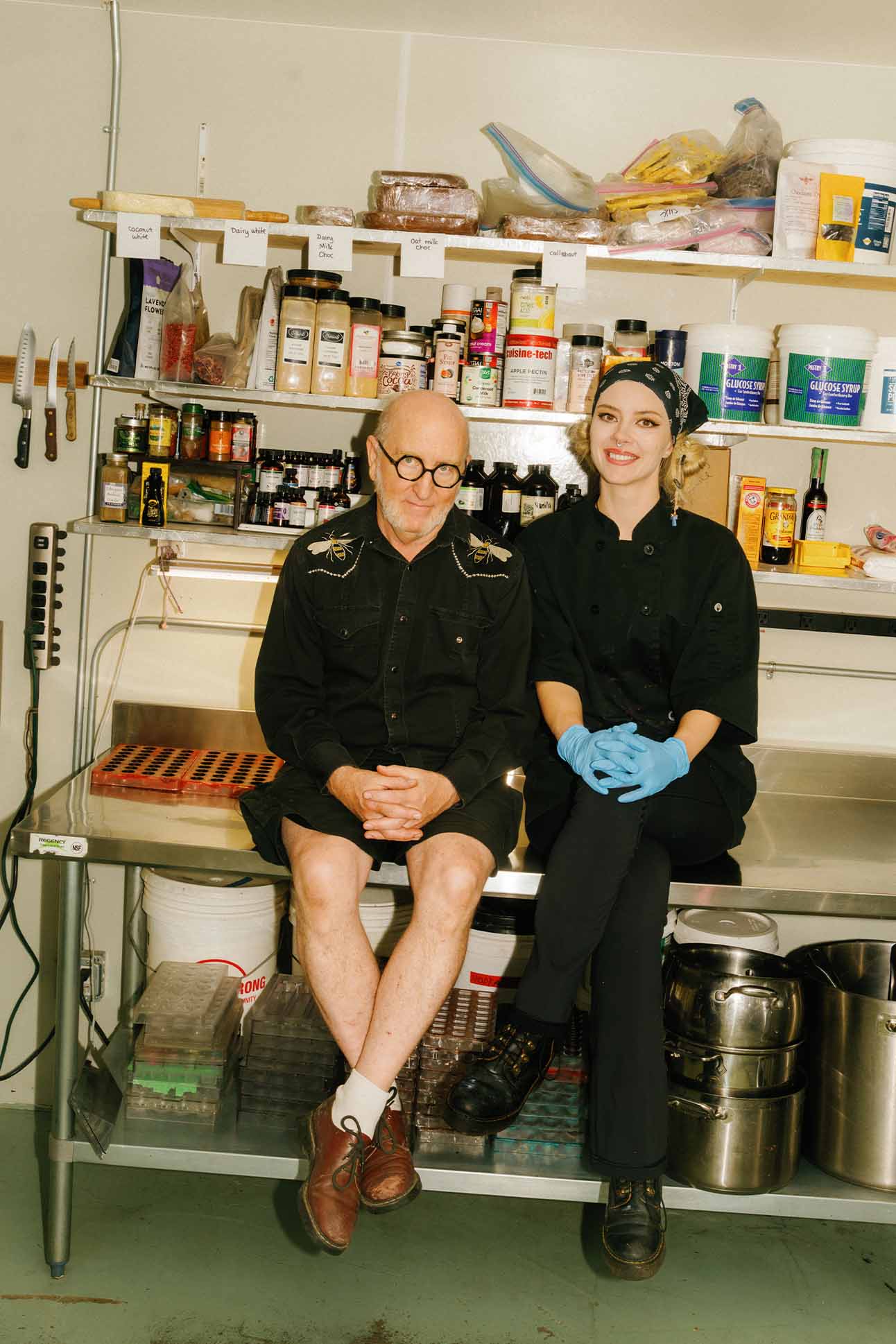
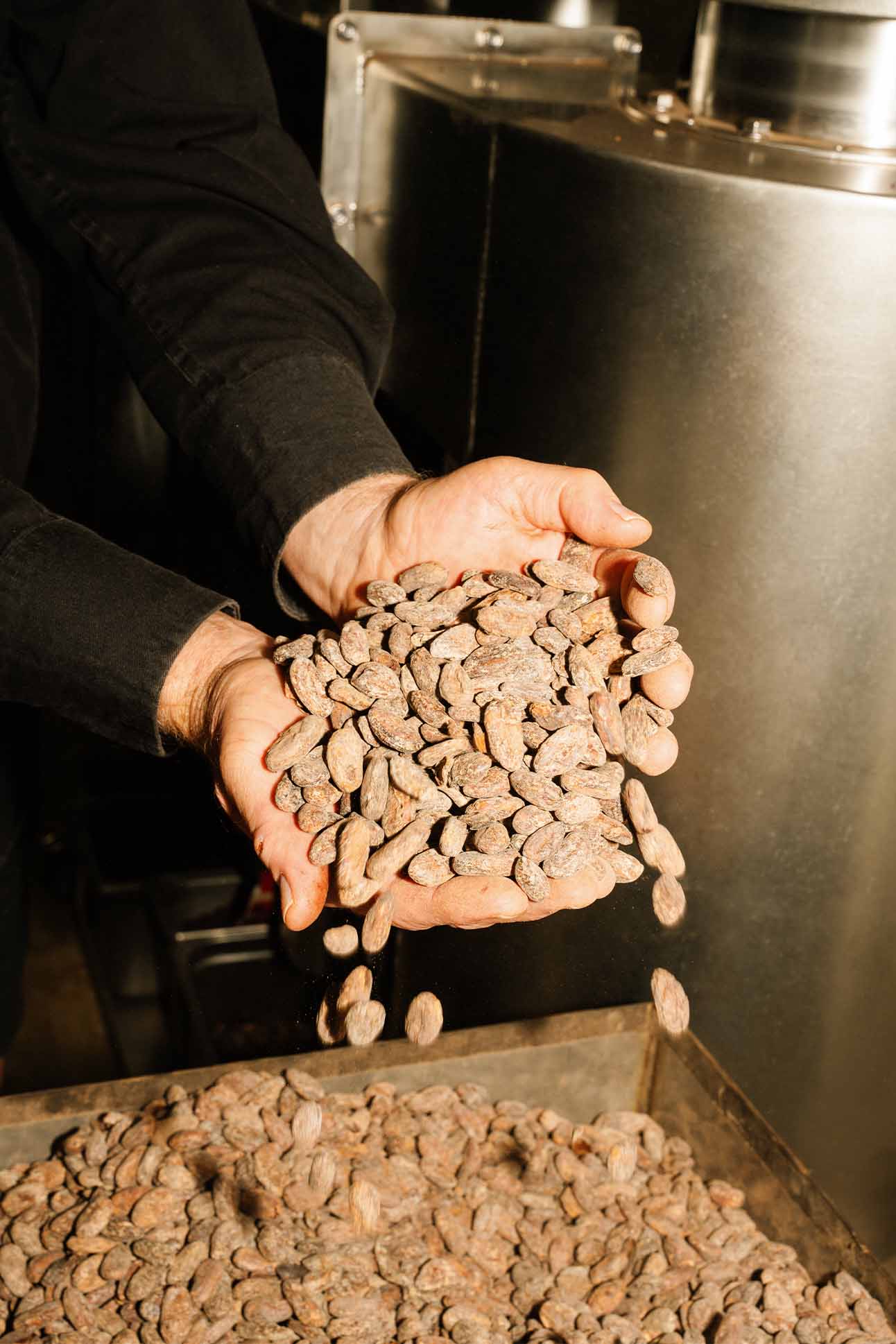
Burrows threw himself into it, investing in professional-grade equipment—a grinder and roaster—and sourcing beans to experiment with. He traveled around the country to apprentice with innovative chocolatiers in Hawaii and Oregon. He studied with Ecole Chocolat and the Institute of Culinary Education. He also fell down rabbit hole after rabbit hole, debating with other chocoholics on digital forums about what it takes to make craft chocolate versus commodity chocolate.
Commodity chocolate, he explained, is factory-made, bulk-produced—and often inferior quality due to use of genetically modified beans mixed with massive amounts of sugar. These beans are not fermented, and commodity brokers often buy cacao from anywhere at a base price and roast away all the delicate flavors. “It’s like buying a Kobe steak and then cooking it well done,” he says.
Burrows knew the chocolate he made would be anything but commodity style. Thus, he started where any good craft chocolatier starts: with the beans. “I believe craft chocolate begins with beans purchased from growers who care about what they produce,” he says. Thus, in 2019, Pollinator Chocolate was born.
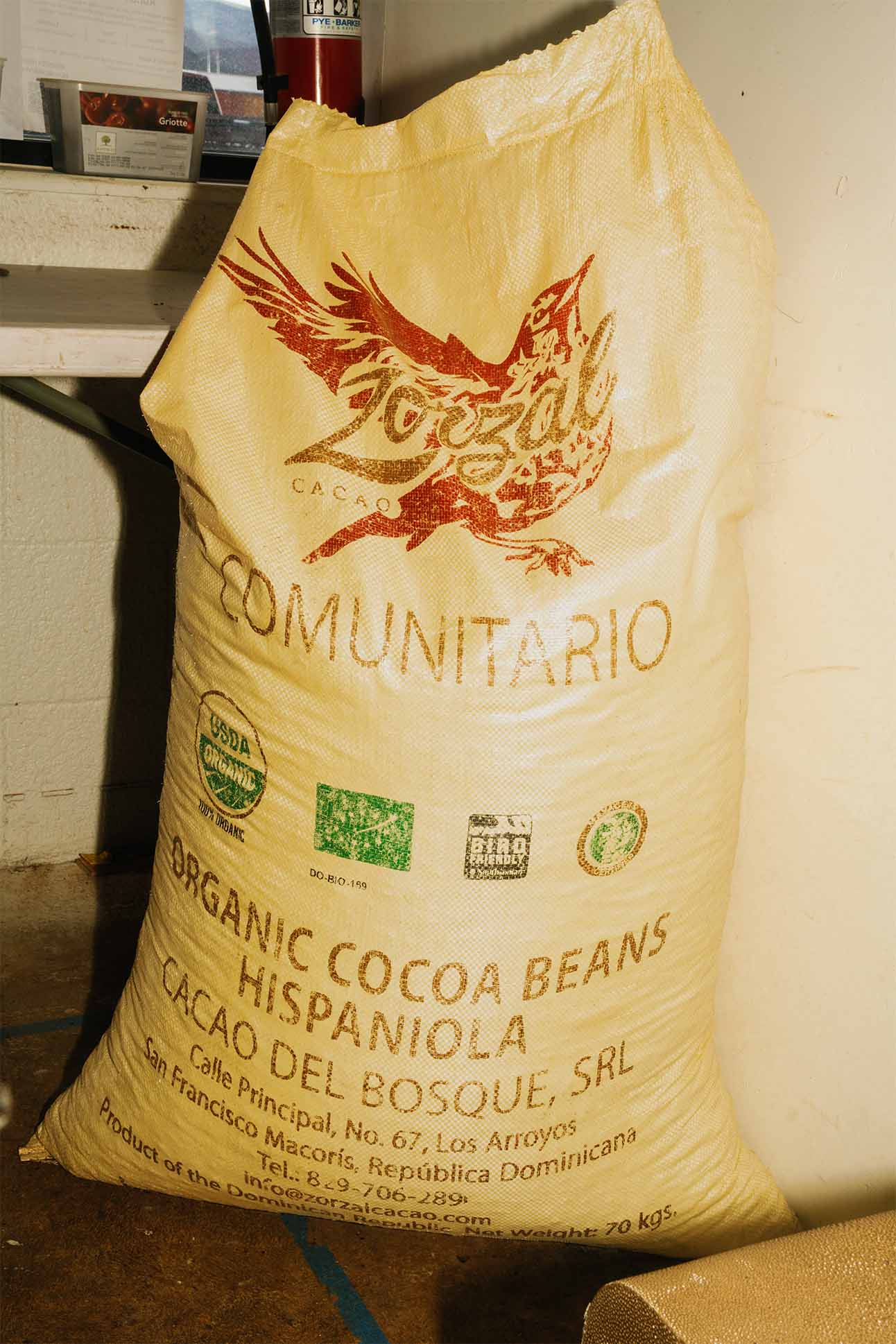
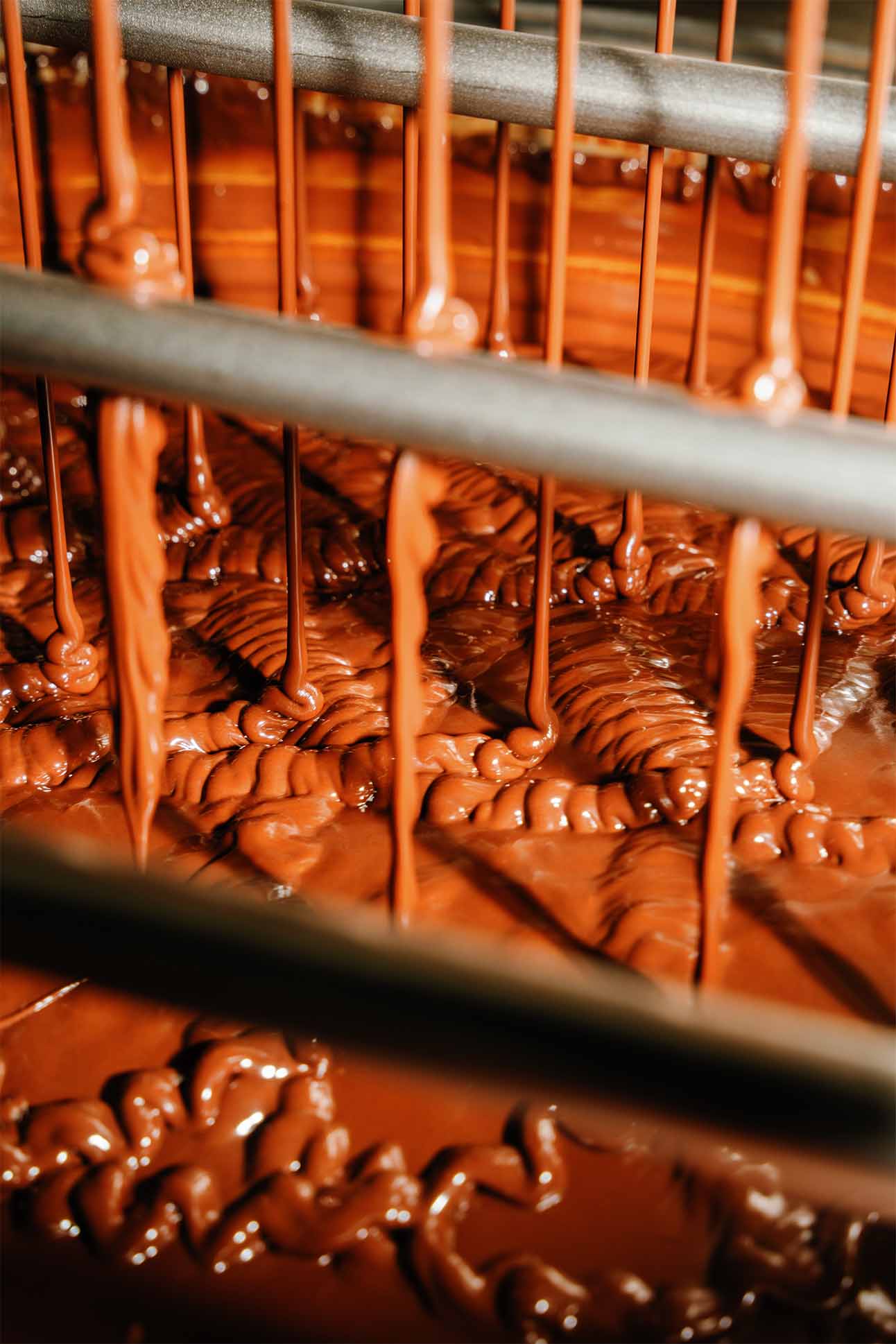
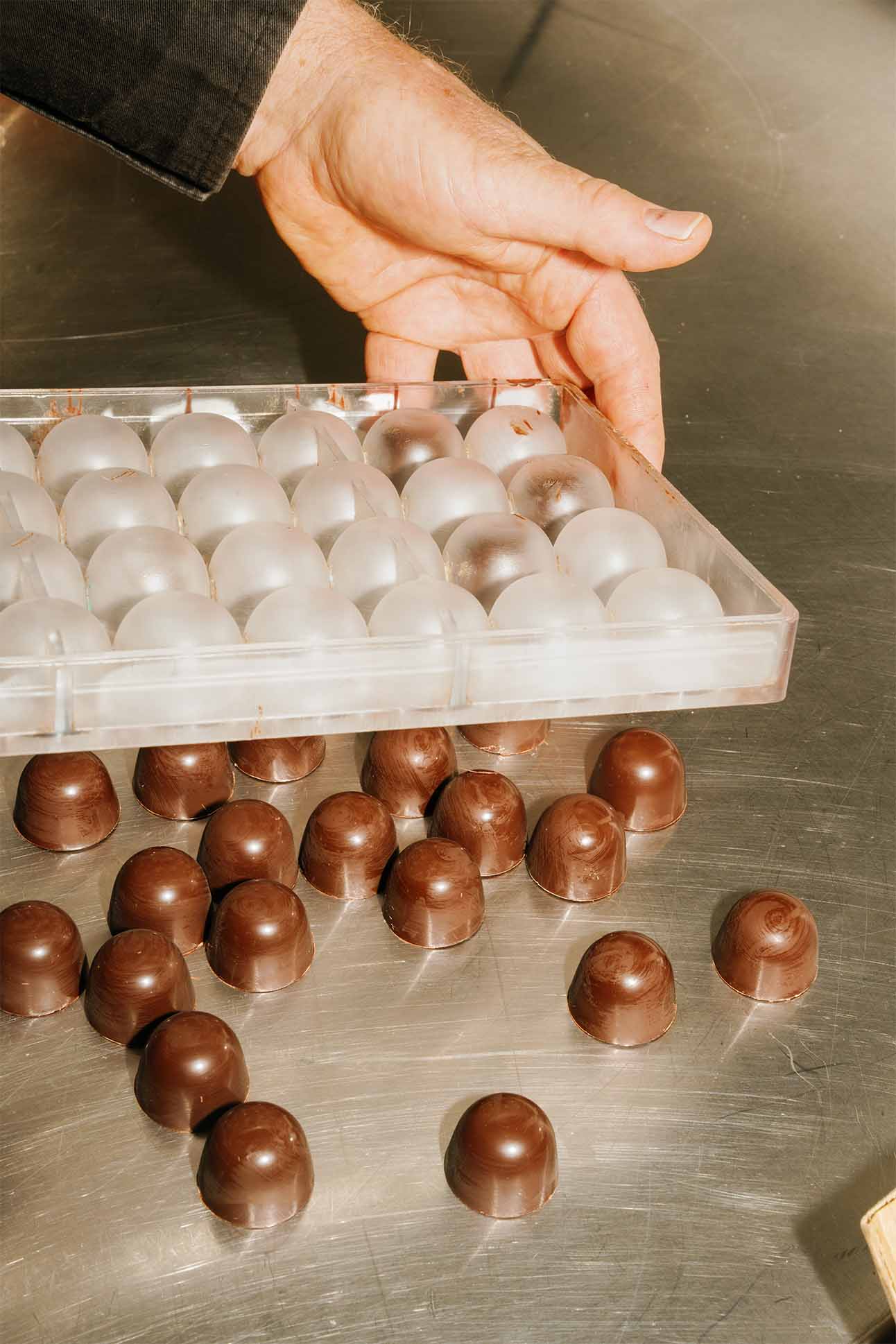
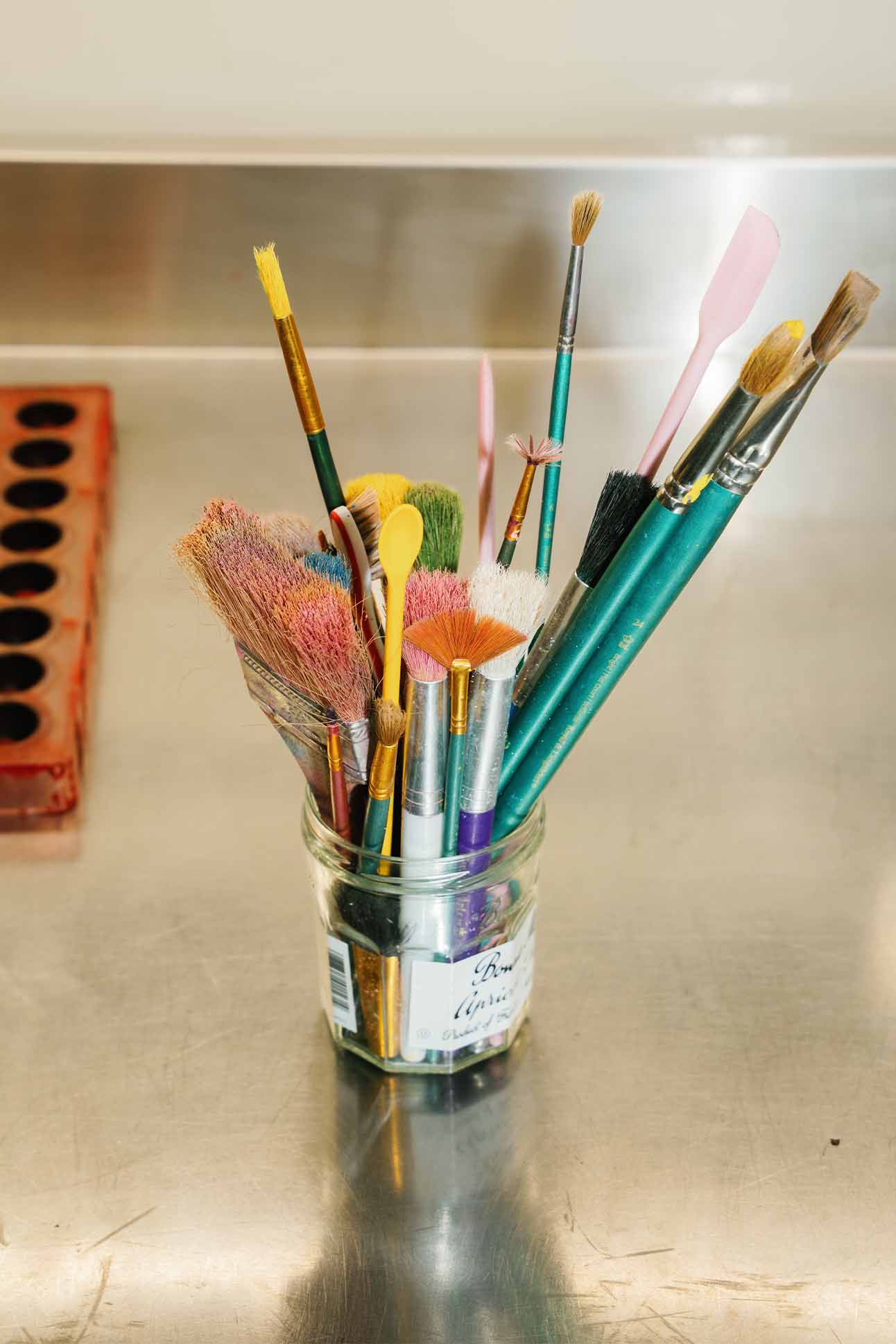
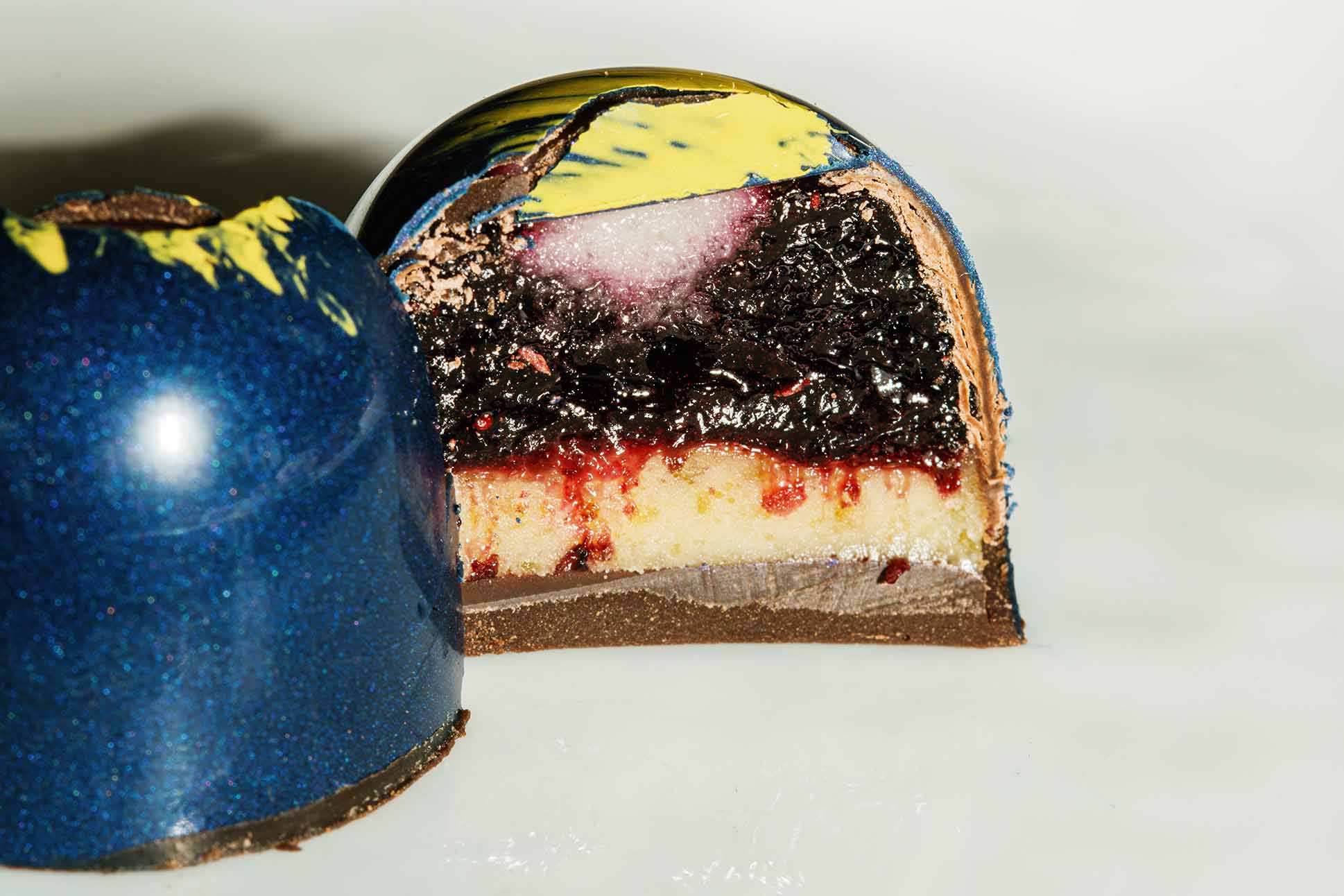
Burrows has sourced his organic cacao from countries such as Tanzania, Madagascar, and Ghana in the past. Today his bars are made mainly from the Trinitario beans that are grown, ethically picked, and fermented from a single origin at the Zorzal Reserve in the Dominican Republic. Like the Scharffen Berger products that originally turned Burrows on to chocolate, Pollinator’s handcrafted bars possess exuberant floral expressions: banana and cherry, a touch of bitterness from the fermented beans, and a hint of earthiness in each bite. Most of his chocolate bars have a base of 70 percent dark chocolate, and while the chocolate itself is composed of just two ingredients—cacao and sugar—many include additions such as pistachios, sea salt and lavender, orange peel and bee pollen, and crystallized honey, sourced locally. Pollinator’s bestsellers are glossy bonbons that come in gourmet flavors like balsamic fig and strawberry pink peppercorn shortbread. His chocolates are such eye candy that Chanel and Hermès have tapped him to create custom pieces for events in Aspen.
As Pollinator Chocolate’s reputation has grown throughout the West, so has Burrows’s business. His chocolate is sold online and can be found throughout the Roaring Fork Valley. Popular gourmet food shops in Aspen, including The Butcher’s Block, can’t keep it on their shelves. The bars are stocked at Aspen Mountain Club and often featured in dishes at Aspen’s only Michelin-starred restaurant, Bosq.
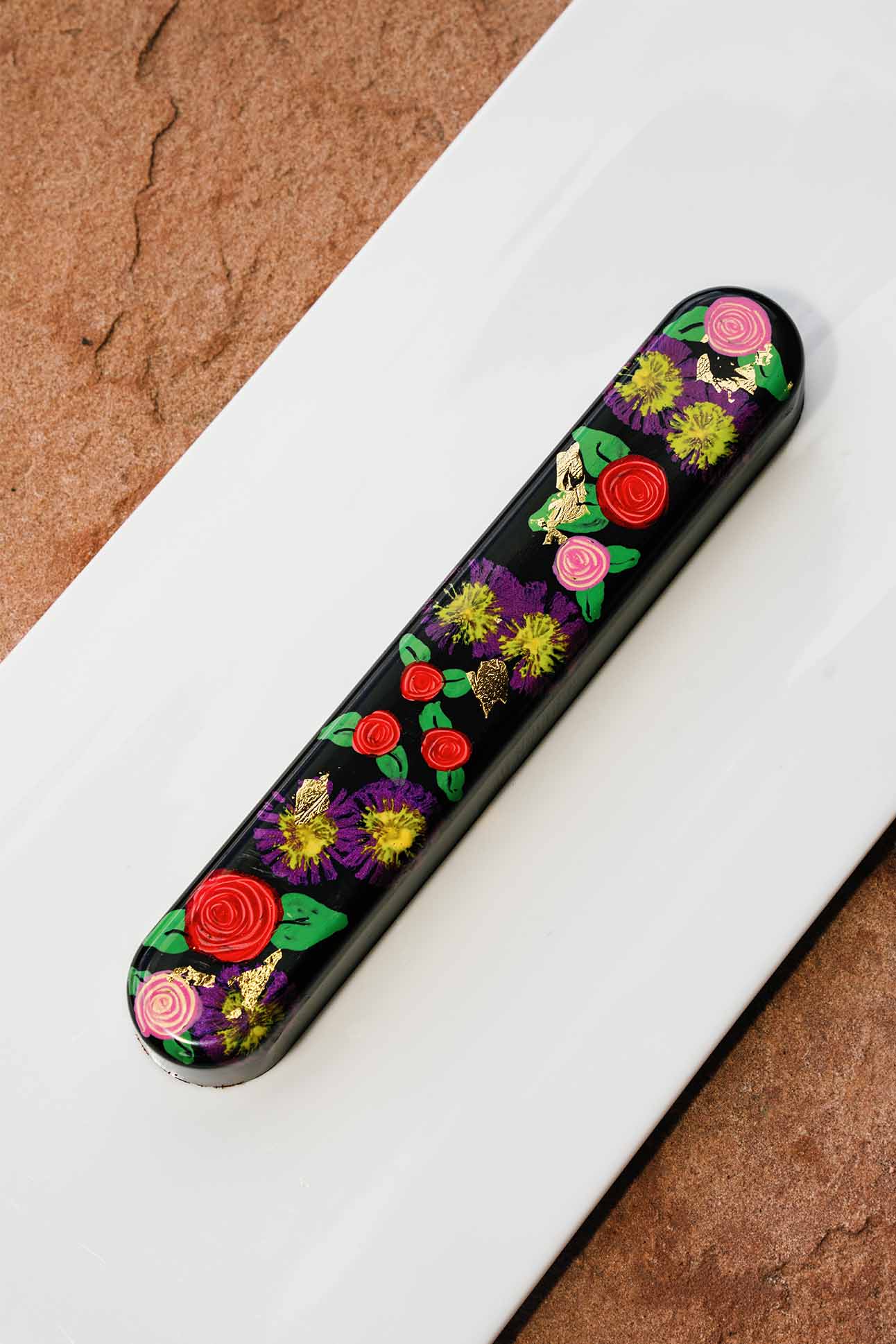
In 2023, riding the success of his chocolates, Burrows opened a storefront in Carbondale called the Cocoa Club. The café sells Pollinator’s bars, bonbons, caramels, and truffles, and is also a community gathering place where people come for drinking chocolate, chocolate tea, coffee, ice cream, and cocktails. Guests can peer through a glass wall into the neighboring kitchen, where Burrows and his team make chocolate and paint bonbons. He regularly hosts tours and tastings for small groups.
It’s all a product of that revelatory moment that sparked a newfound love of chocolate in Burrows. “In the end, people want something that tastes great,” he says, reflecting on the leaps and bounds he has taken to produce his nuanced, single-origin, ethical craft chocolate. “When I see a guest have that aha moment after their first bite, just like I had so long ago, I know I’ve succeeded.” pollinatorchocolate.com