

By Jen Murphy
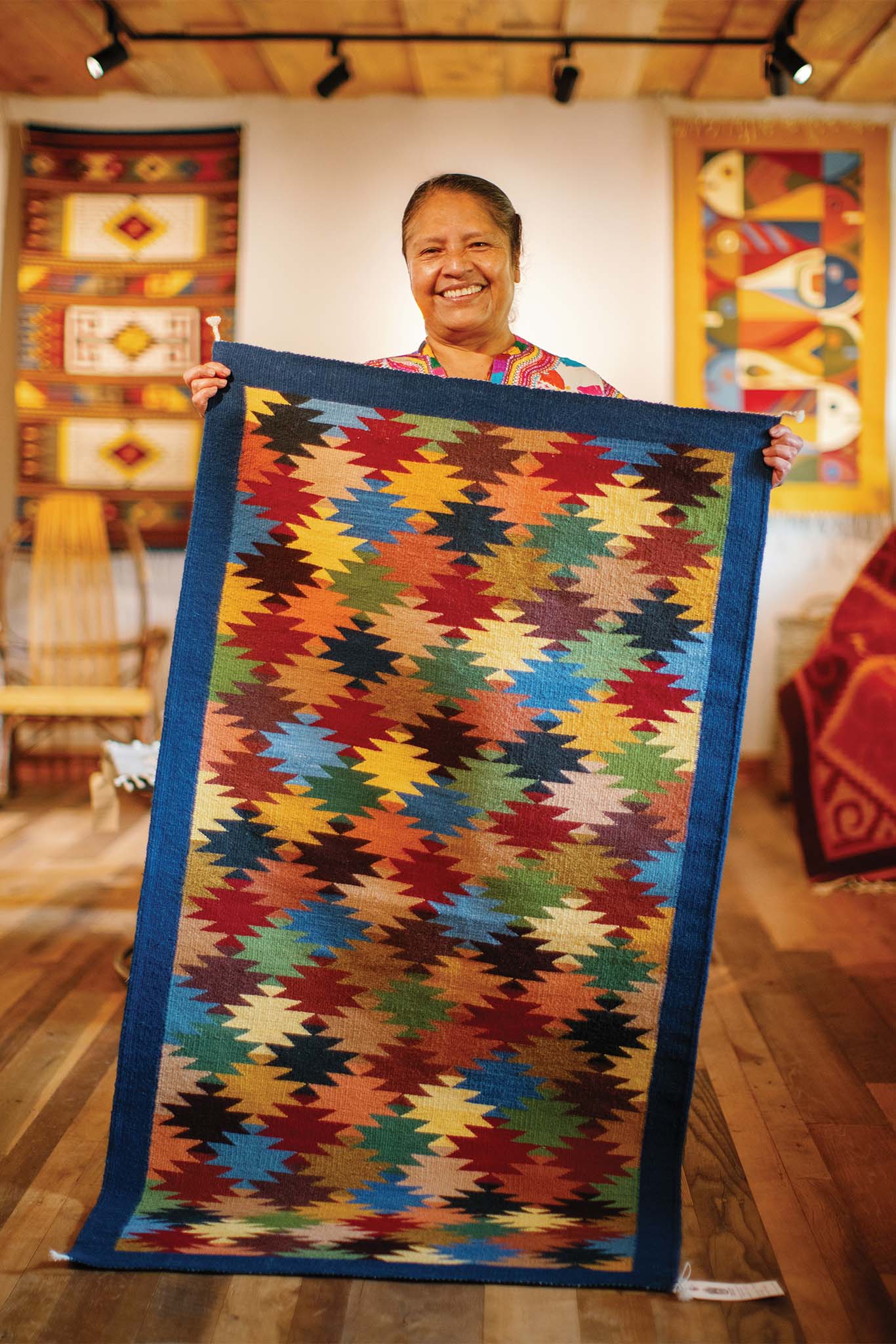
Elena Gonzalez Ruiz is seated at her pedal loom, working intently on a new rug covered with brightly colored patterns: seeds and zigzags, diamonds and fish. Each has a deep meaning: “The seeds symbolize abundance,” she says. “The zigzag is the circle of life. The diamonds represent energy. Together, they tell a story.”
On the walls surrounding the loom room, as this workshop is known, Gonzalez Ruiz is surrounded by more rugs, made by herself and other weavers from her native village of Teotitlán del Valle, in Oaxaca, Mexico. Her craft comes from her home—it is in her blood—yet she never imagined it would take her from the cacti-studded cracked earth of her birthplace to the alpine wilderness of Aspen. For more than 35 years, she has been coming here, to Toklat, in the Castle Creek Valley, to share the art of her ancestors through textiles like the rug on which she works carefully and patiently now. “At home it would be much quicker,” she says. “Here I take time to enjoy the beauty of the place.”
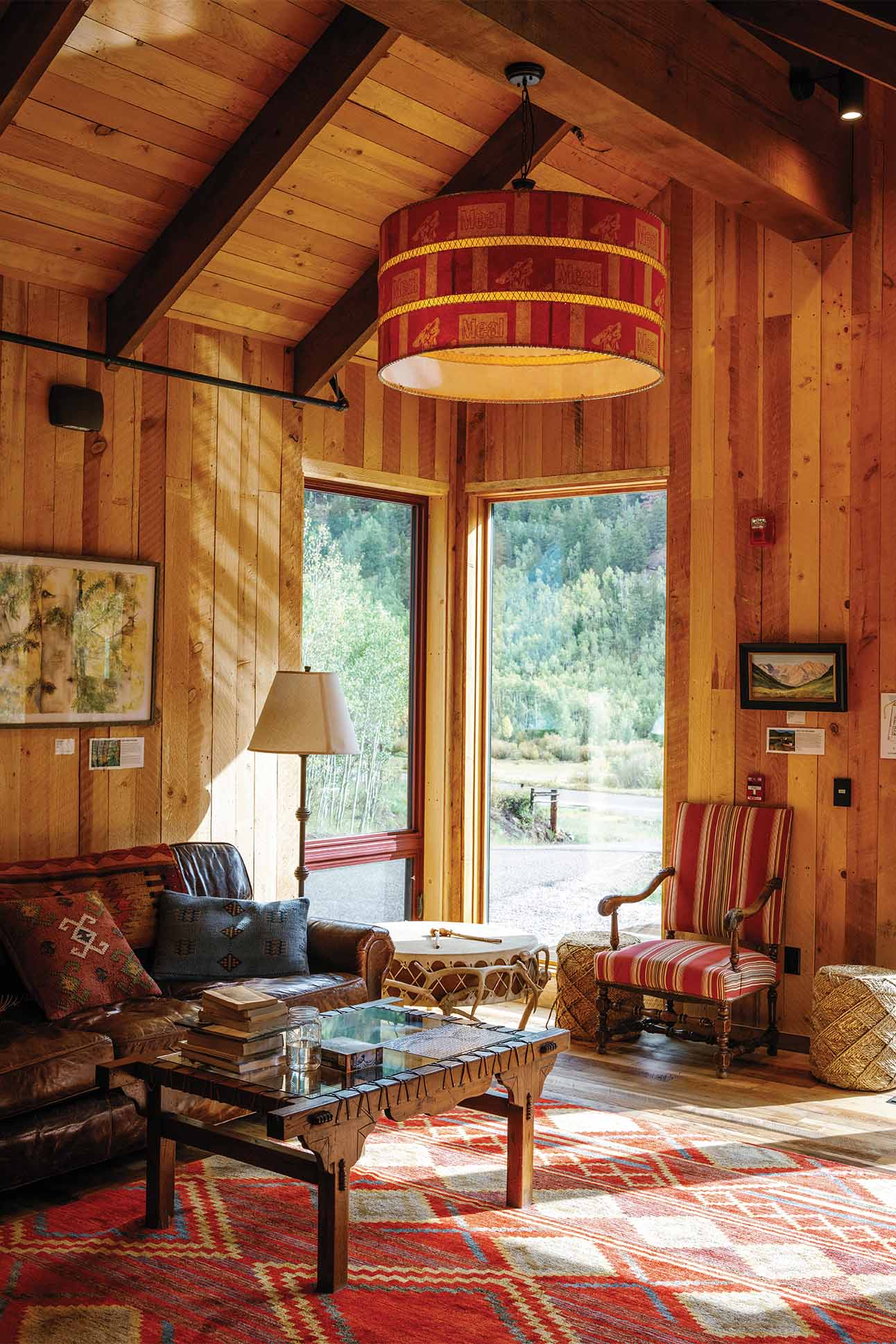
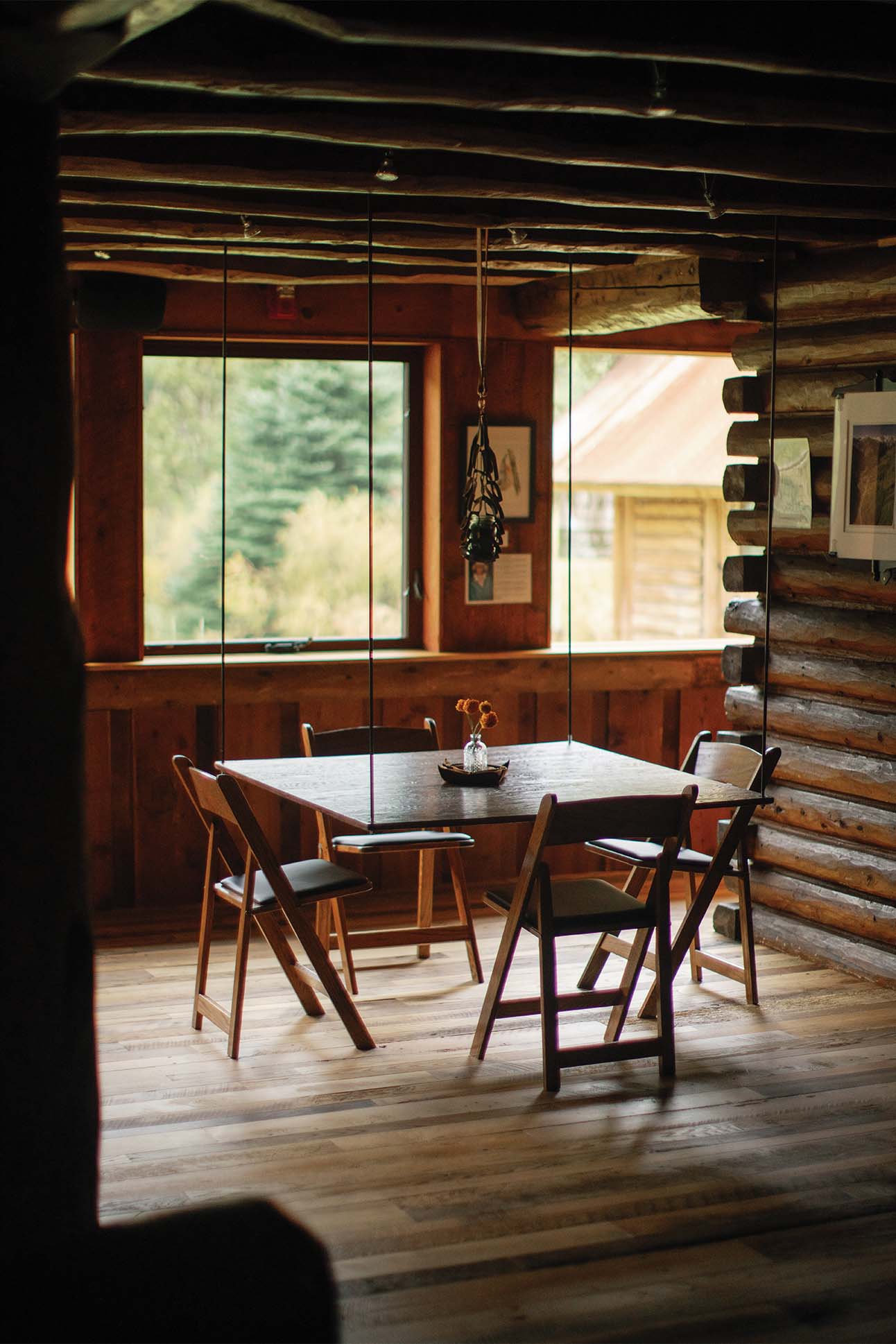

Gonzalez Ruiz first came to Aspen in the 1980s, after her work caught the eye of Stewart Mace, an Aspen-based gallerist who made biannual trips to Teotitlán del Valle. A true renaissance man possessing equal appreciation for art and nature, Mace first moved to Aspen with his wife, Isabel, at the behest of Walter Paepcke. The Maces’ Roaring Fork Valley cabin—which they named Toklat, the Inuit word for “headwaters”—served as a multipurpose hub for the couple’s many interests, including a dog-mushing operation, a natural-food restaurant, a guest lodge, and, eventually, an art gallery.
In 1989, Gonzalez Ruiz was one of the first artisans invited to Toklat—and her visit sparked an annual residency that has brought her back to Aspen nearly every summer since. “I didn’t speak a word of English when I first arrived,” she recalls. “But my weaving spoke for me until I was able to learn.”
The loom room, where she demonstrated the traditional weaving and dyeing techniques of her ancestors, soon became a permanent part of Toklat. This year, it was preserved as part of a three-year, $9 million makeover by the Aspen Center for Environmental Studies (ACES), which now manages the property.

Reopened in December 2024, the new Catto Center at Toklat welcomes guests with a sign for “Hot Tea, Local Art, Library,” and a grand door made from a large wood slab carved with scenes of meandering streams framed by aspens and peaks. Inside, the Maces’ original cabin—including the loom room—has been preserved and updated with clean-energy systems, plus an expansion that includes a retreat space. A potbelly stove warms the central gathering space, and wood floors are inlaid with tiles that recreate one of Gonzalez Ruiz’s rugs. Isabel’s kitchen has been refurbished and once again welcomes visitors for dinners served at the couple’s original hanging tables, a design concept Stewart discovered in Alaska.
Extending the Maces’ mission to inspire creatives and everyday visitors alike through the natural beauty of Aspen, the new center offers snowshoe tours, hikes, and outdoor workshops such as nature journaling and birding, all led by ACES naturalists. The artist-in-residency program, meanwhile, has been expanded to include writers and scientists, and last summer, the program was relaunched with Gonzalez Ruiz’s return.
“I’m so happy to be back,” she says from her pedal loom. “It’s like a homecoming.”
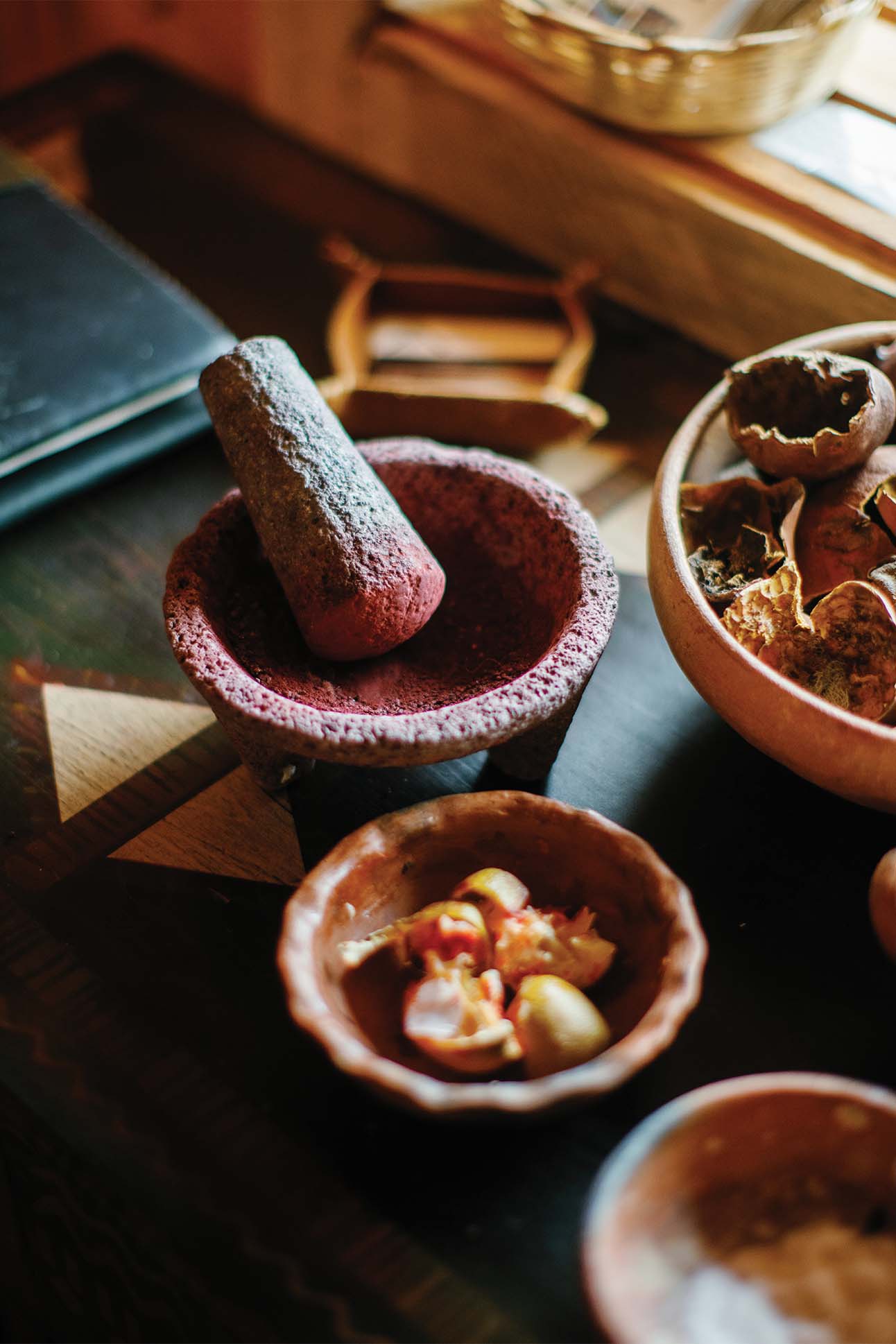
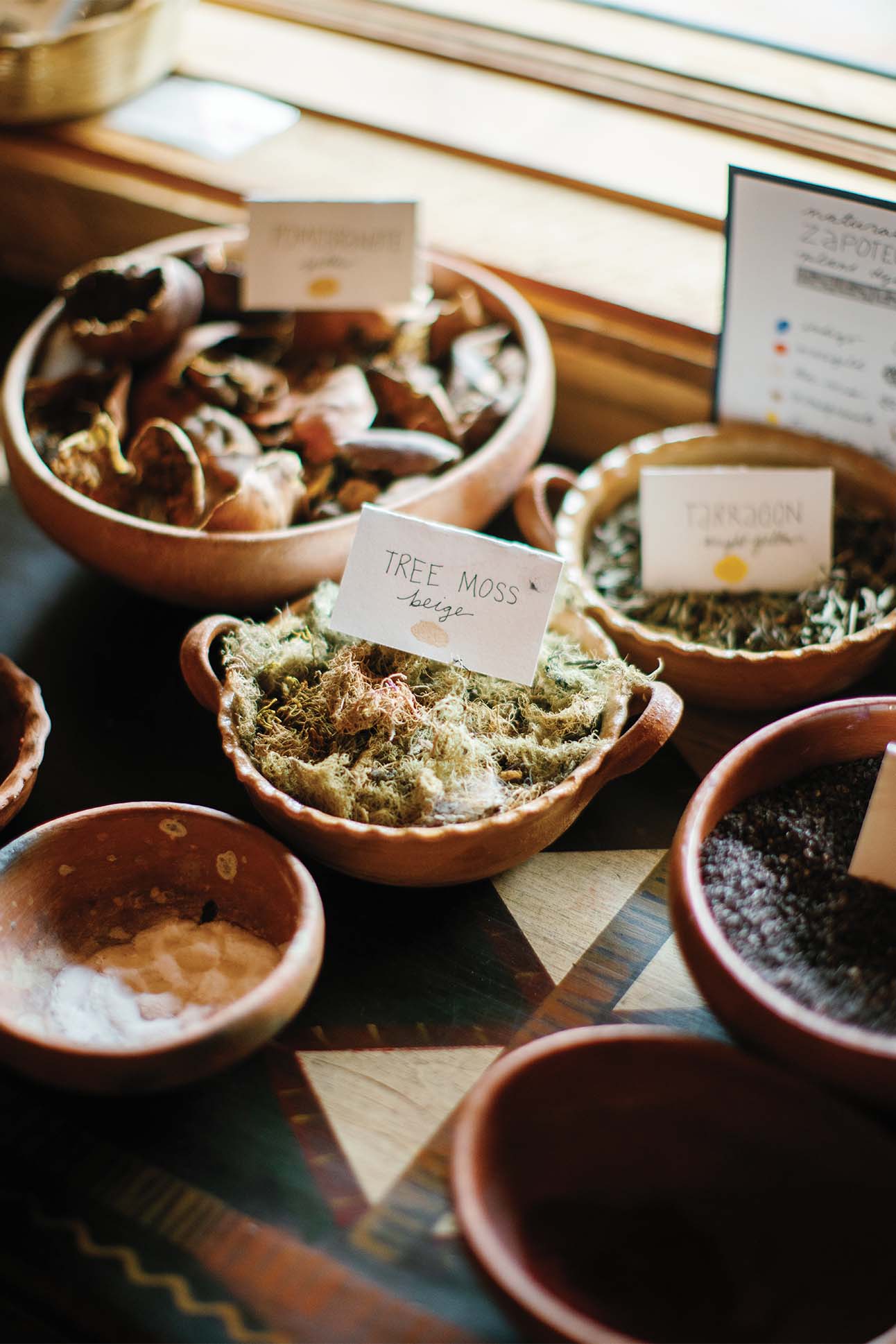
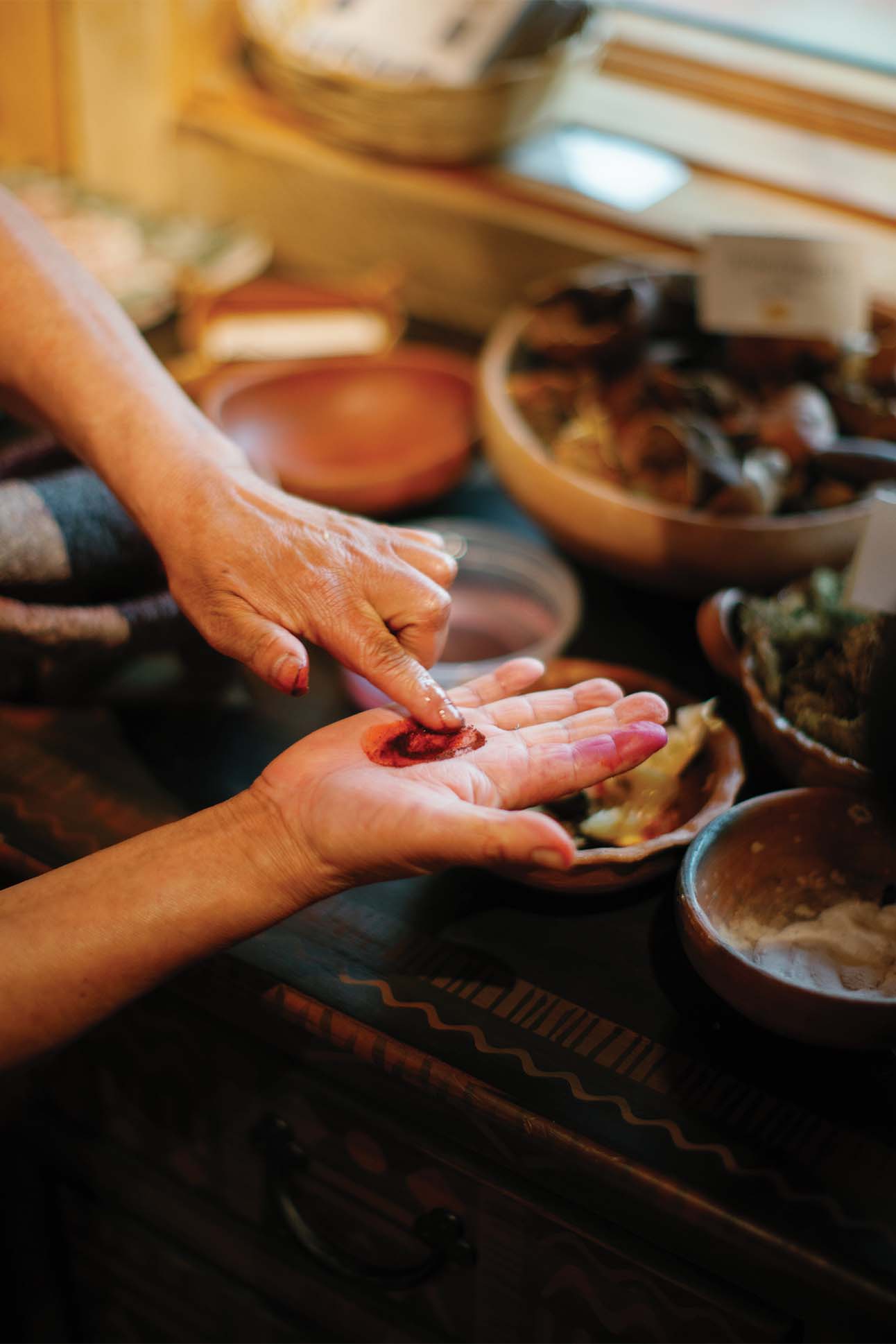
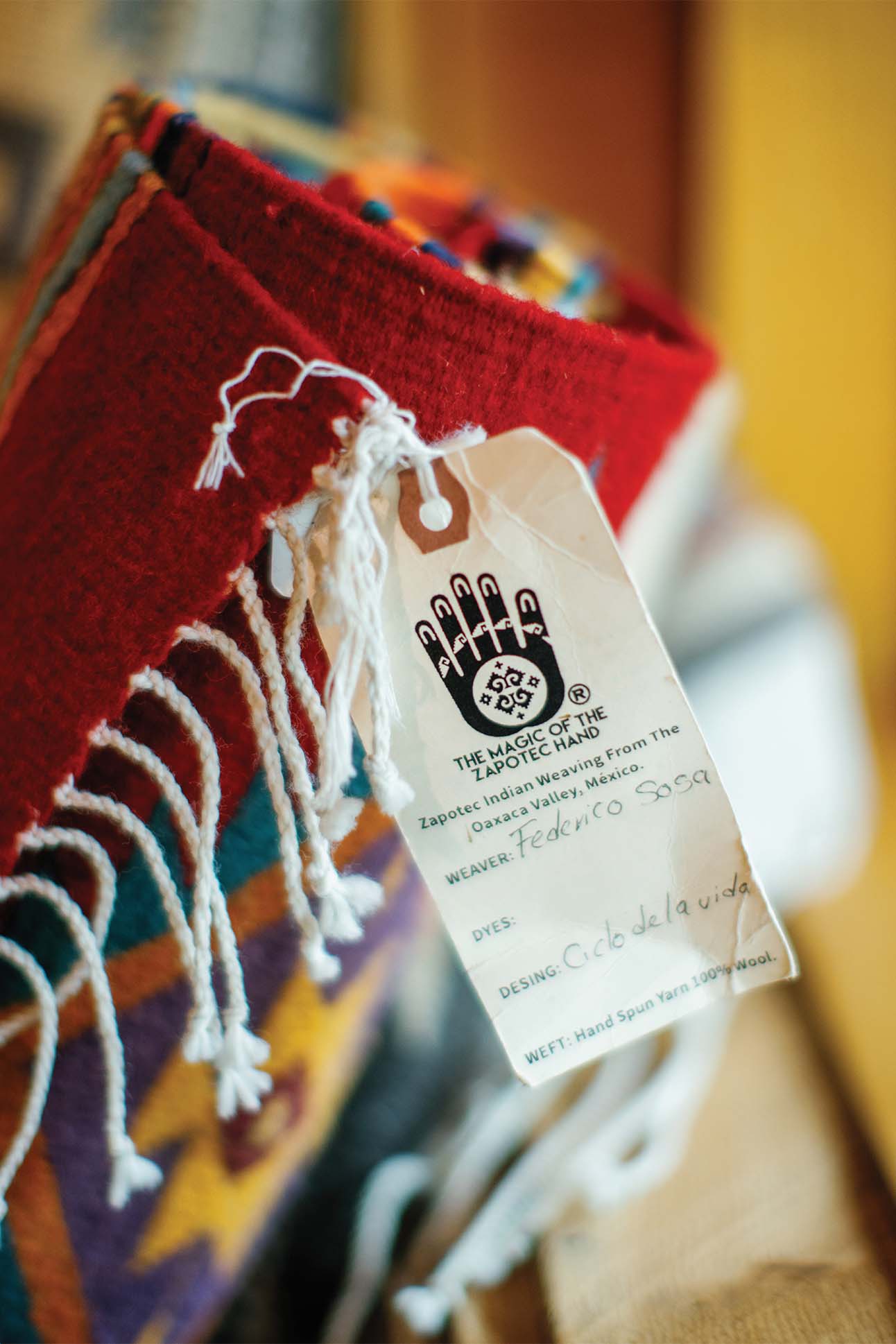
This year, Gonzalez Ruiz has brought pieces from around 50 artisans in her village. Rugs of all sizes are piled high on the floor, and stylish bags and purses with leather handles hang from hooks. Each bears a tag with the name of the Zapotec weaver who crafted it. Some have been produced by master artisans over months, while others, such as the coasters, were made by young children who have just started to learn the craft. Of Teotitlán del Valle’s 7,000 residents, more than half are weavers. Gonzalez Ruiz’s cooperative, The Magic of the Zapotec Hand, supports them by selling their work at Toklat, and she donates 5 percent of those sales to ACES’ Summer Camp scholarship program. “We are keeping our heritage alive,” she says.
One area of her loom room at Toklat is dedicated to the art of dye making. As she snakes through a cluster of baskets filled with raw products—tarragon, pomegranate, tree moss—Gonzalez Ruiz explains how each produces a different color. Cochineal, an insect that feeds on cactus, for example, can yield 60 different shades of red, and mixing it with baking soda creates a plum-like purple hue.
Creating natural dyes is an endangered skill; in fact, the process is as labor-intensive as the actual weaving. Gonzalez Ruiz estimates that only 20 percent of the weavers in her village still invest the time and money in making dyes the old-school sustainable way. To do so, sheep’s wool—sourced from the Mixteca Region, three hours north of Teotitlán del Valle—is cleaned in the local river, then dyed for three days. Only then can it be carded into fine, even, spinning yarn, which is boiled with dye for up to three hours.
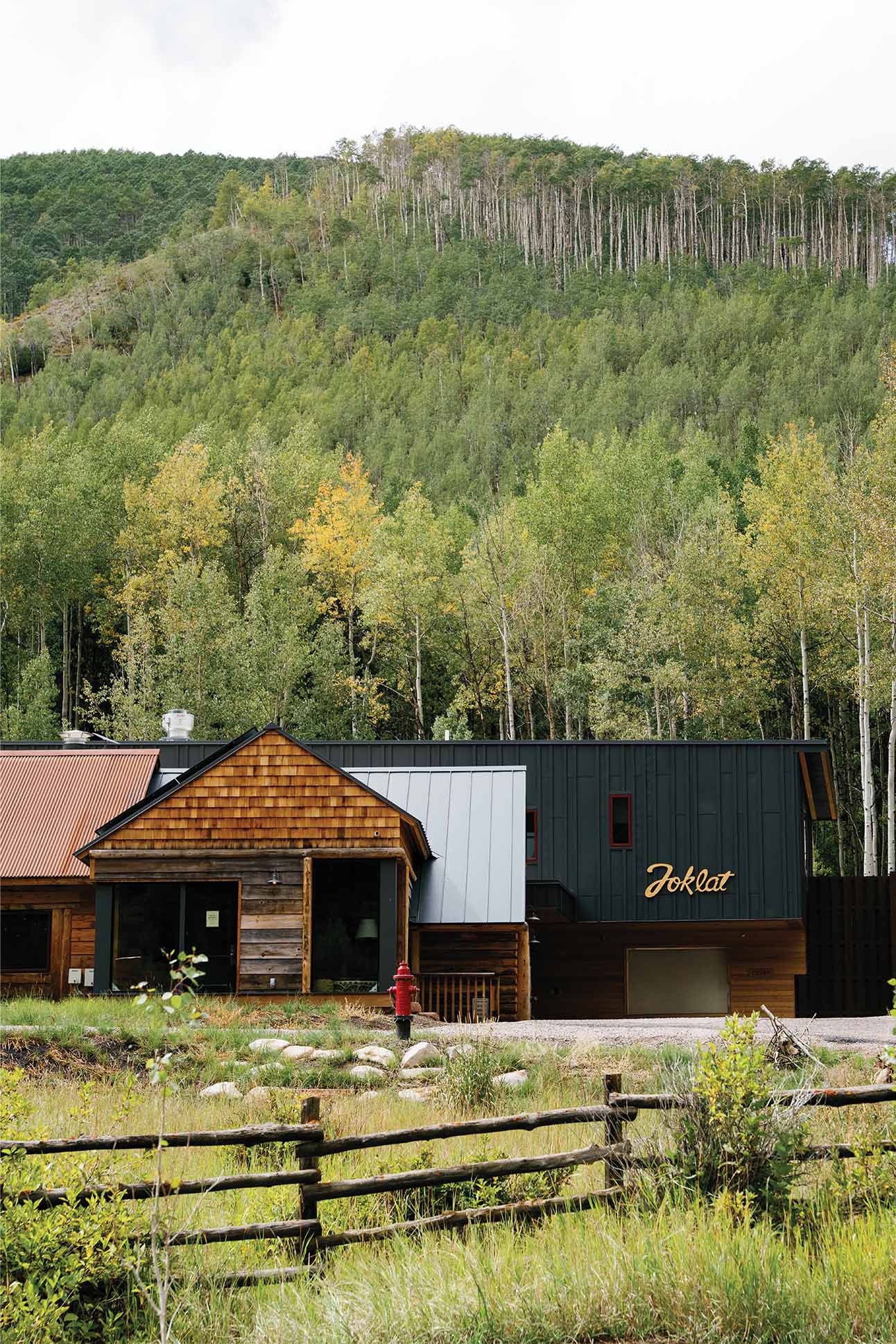

Those like Gonzalez Ruiz, who have devoted their lives to maintaining these traditions, reap an intangible reward, she says, not only carrying on the work of their Zapotec ancestors, but also mentoring the next generation to follow in their footsteps. Perhaps, some day, they’ll even follow her path to Toklat themselves. “I find so much inspiration in this valley,” she says. “My hope is they might come here one day too and also be inspired.”
The Little Nell and ACES collaborate on culinary experiences at ACES’ properties throughout the year including special dinners at Toklat.