
By Jen Murphy
Images by Jake Wheeler
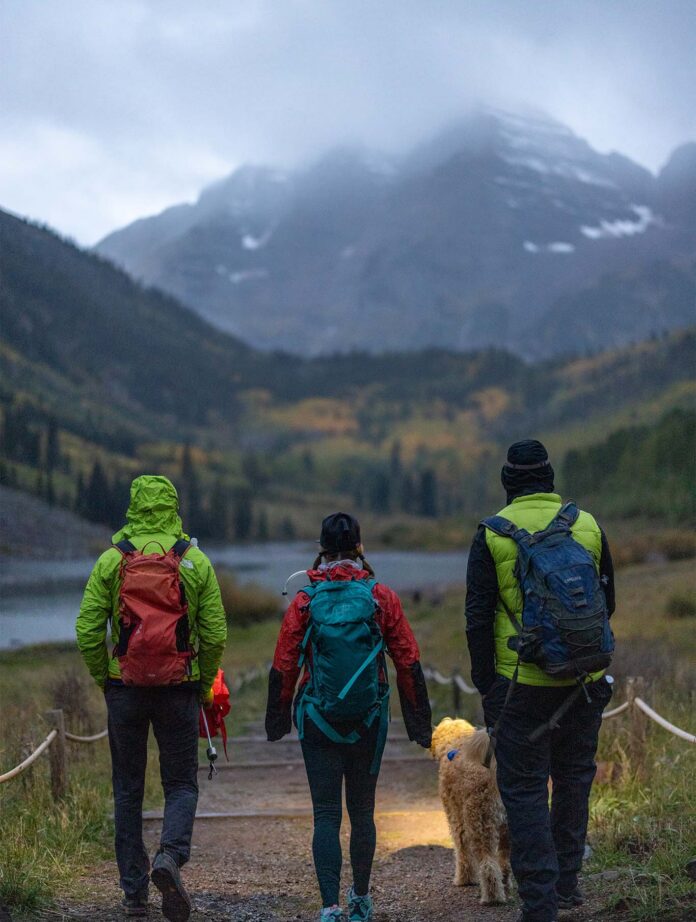
Dawn had yet to break and the thin smile of a waning crescent moon wasn’t quite bright enough to illuminate our way to the trail. “Headlamps on,” instructed our guide, Scott Eden, as he zipped his slim frame into a puffy jacket. It was mid-September and the autumn air had a bite. Despite the early hour and a forecast that threatened rain and possibly snow, the parking lot at Maroon Lake was nearly full and the glowing lights of other ambitious hikers already snaked through the aspen trees.
Each year, more than 300,000 people pass through the Maroon Bells Scenic Area, so named for its twin, claret-hued, 14,000-plus-foot peaks. Their unique color—created by red mudstone layers—is striking, but it’s the way their snow-capped profiles reflect in mirrorlike Maroon Lake that has made this vista, located 10 miles west of downtown Aspen, one of the most photographed alpine scenes in North America.
The majority of visitors come here to snap selfies and maybe walk the 1.7-mile nature loop that circles the lake. But hiking enthusiasts, like myself and my boyfriend, Jan, had come for something far greater: West Maroon Pass. One of Colorado’s most iconic hikes, this 12-mile trail connects Aspen to the mining turned ski town of Crested Butte. Many consider it a bucket-list trek. If you live in Colorado, like I do, it’s a rite of passage.
When I moved to Colorado from New York City nearly two decades ago, the hike over 12,465-foot West Maroon Pass was one of my first adventures. It was early July, and some outdoorsy friends invited me to tag along on what turned out to be the ultimate petal-peeping excursion. Technicolor wildflowers blanketed the meadows, making the already unreal scenery even more spectacular. The explosion of colors—violet lupine, fiery Indian paintbrush, magenta elephant heads, buttery daisies—distracted from the glute-burning climb to the saddle: nearly 3,000 feet of elevation gain in 6.5 miles. Our weary muscles ached by the time we reached Crested Butte, yet we overnighted and turned back and hiked it all again to return to Aspen the very next morning.
While some consider this a one-and-done trek, I vowed to come back and repeat the effort in autumn, which many consider an equally if not even more beautiful season. This time around, I hired a guide through Aspen Expeditions, an operator that’s been leading backcountry adventures in the area since 1977. Though I consider myself an accomplished hiker, there’s nothing like a local expert who can provide context to the flora, fauna, and geology. Another perk of a guide: Aspen Expeditions handles the logistics of a shuttle to Aspen—about a 3.5-hour drive—allowing Jan and me to return to the comforts of The Little Nell, rather than retracing the trail on foot the next morning.
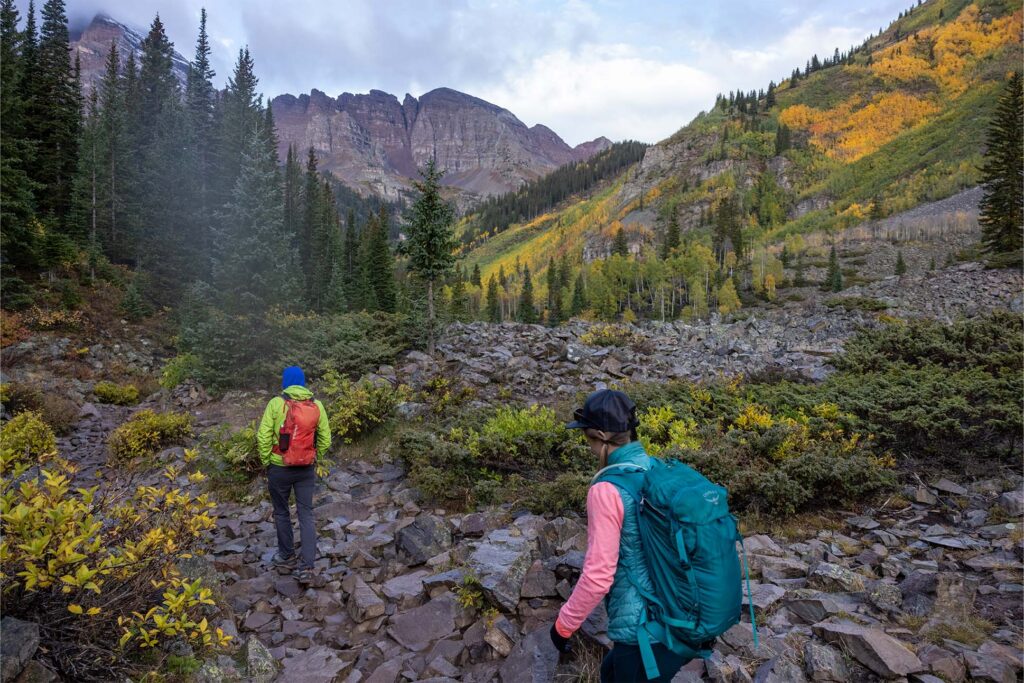
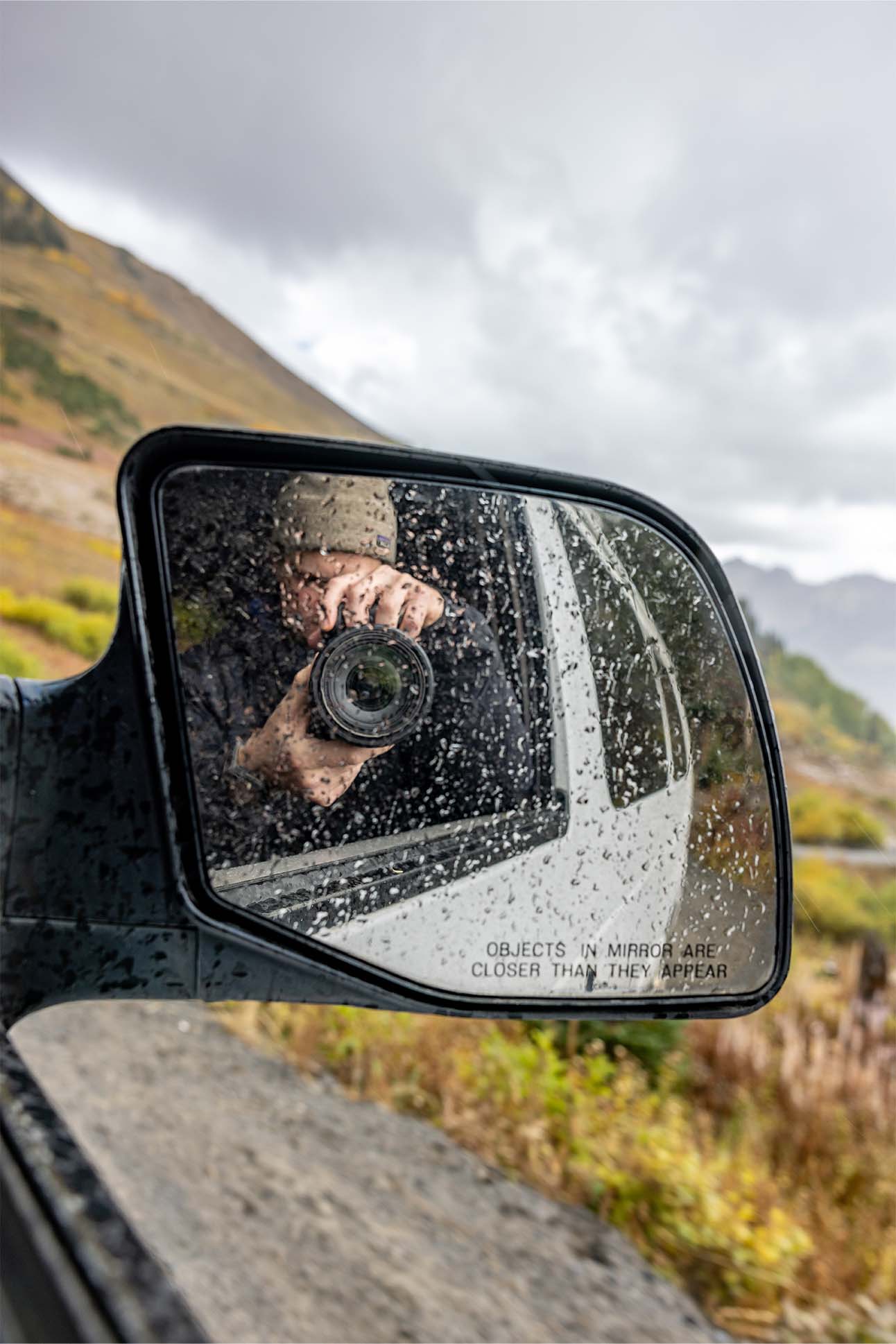
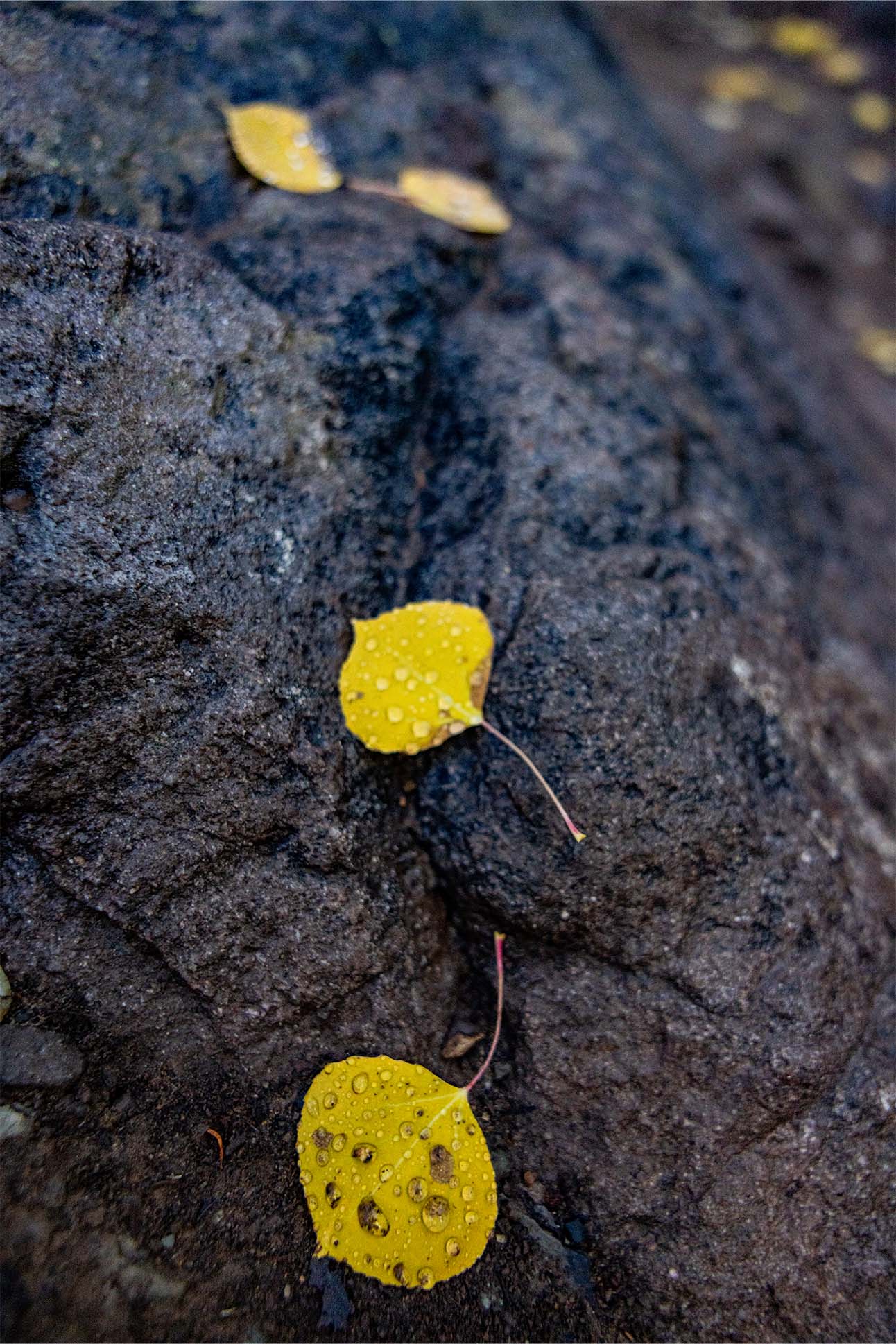
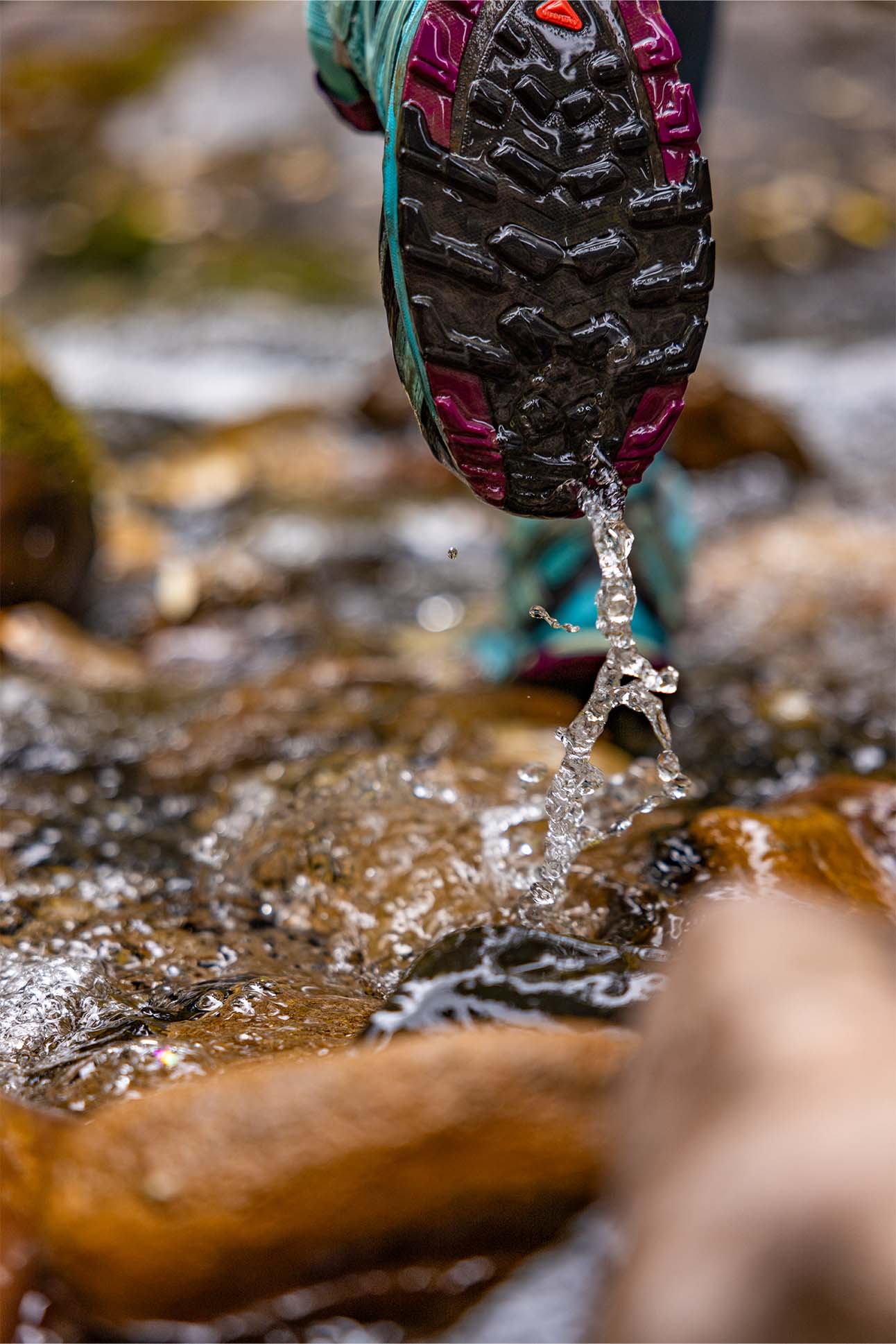
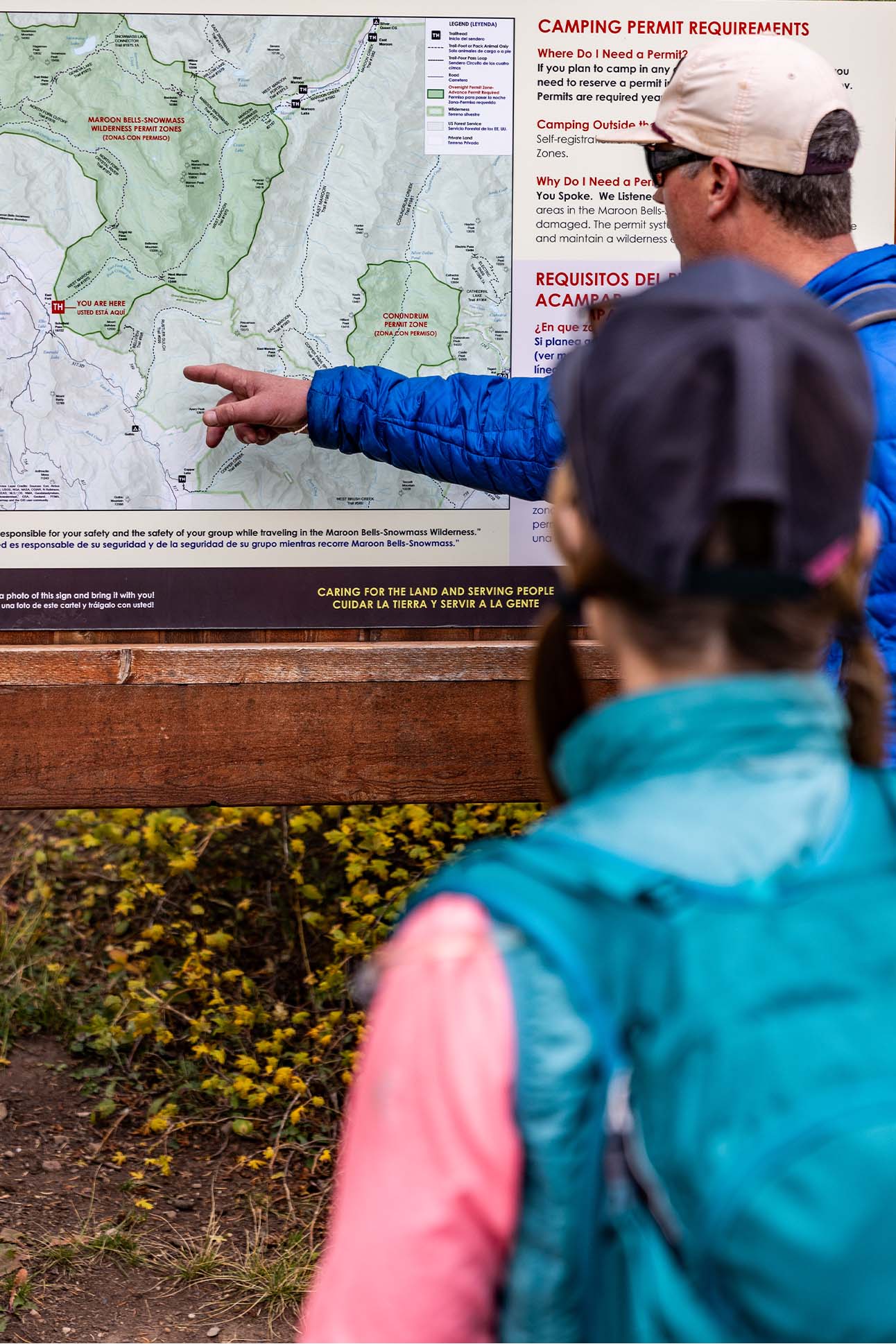
Scott, our guide, had messaged us a few days before with packing essentials: broken-in hiking boots, layers for warmth and rain protection, plenty of water, a headlamp, hiking poles, snacks, lunch, and sun protection. He assured us he’d be bringing all the just-in-case items: bear spray, a first-aid kit, and necessary navigation devices—even though he regularly completes this route out and back in a day, a few times a week, throughout summer and fall.
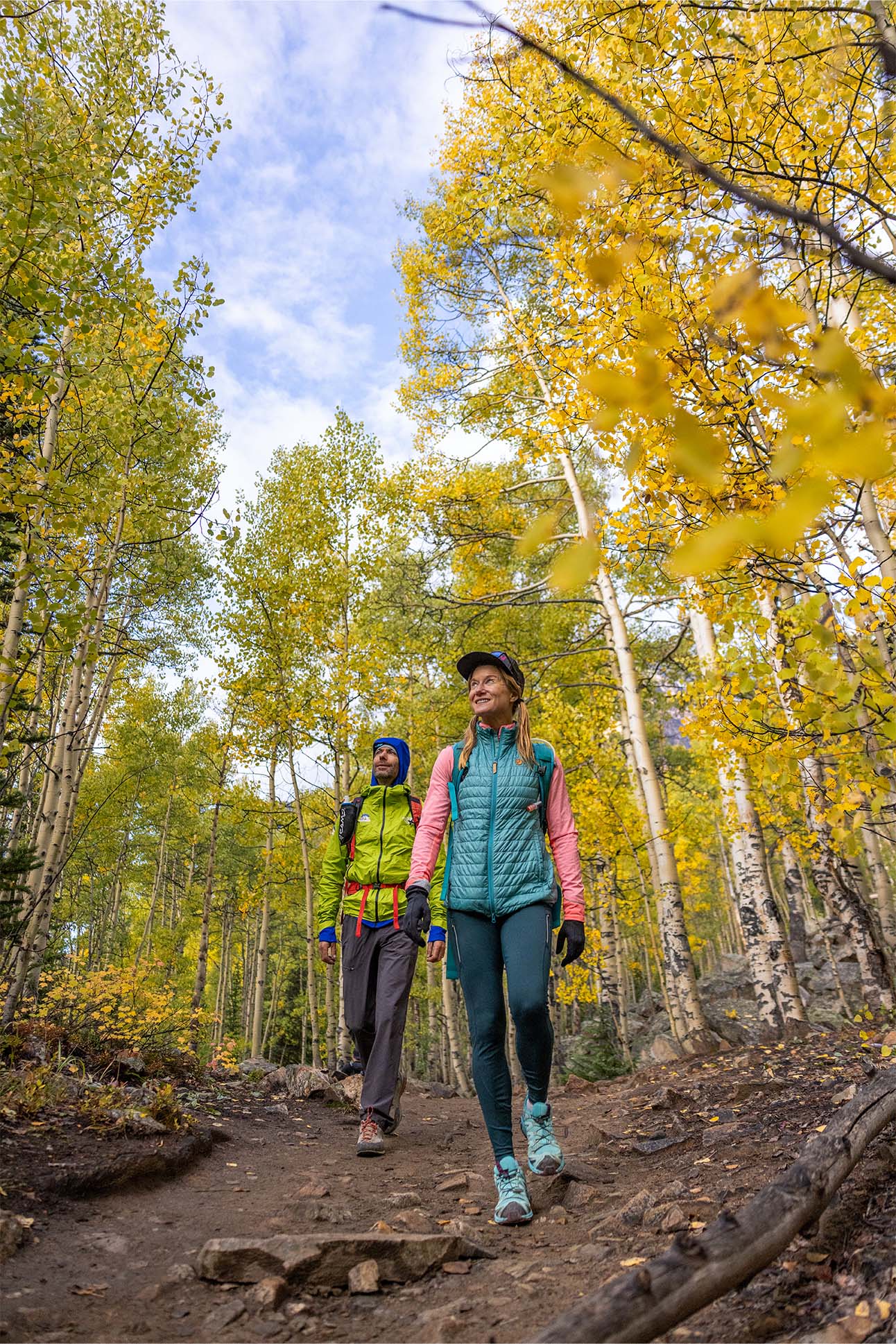
The hike began at 9,580 feet above sea level—more than 3,500 feet higher than Denver and Boulder, where my boyfriend and I live, respectively. Once we passed Maroon Lake, the trail unfurled beneath a golden-and-emerald patchwork canopy of aspen and pine trees that protected us from the light morning mist. The easy 1.8 miles to Crater Lake served as a warm-up for our legs. This mellow section of the route provides access to many other trails, including surrounding 14ers (Colorado’s famed 14,000-foot peaks), and we picked up the pace to escape a small traffic jam of hikers.
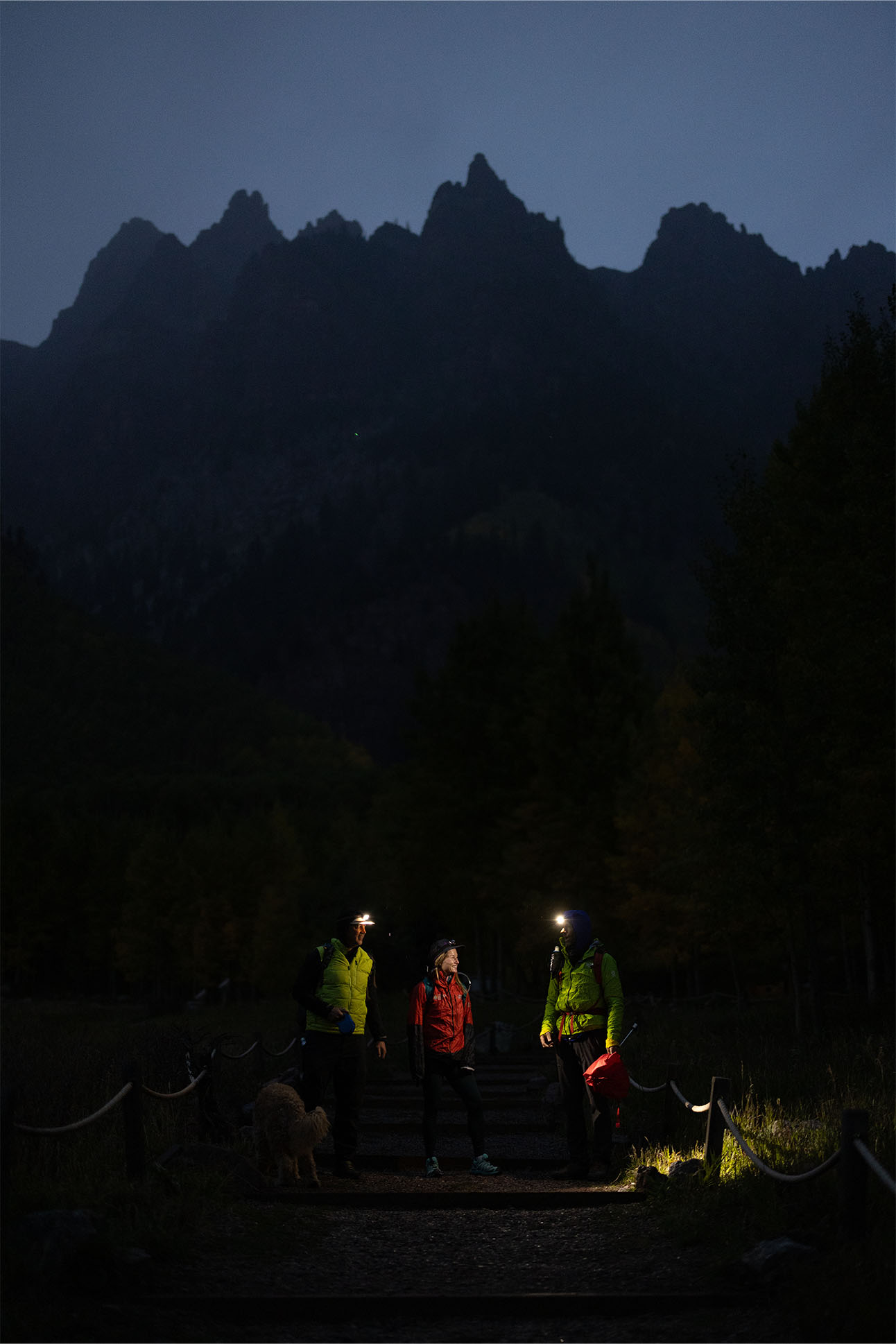
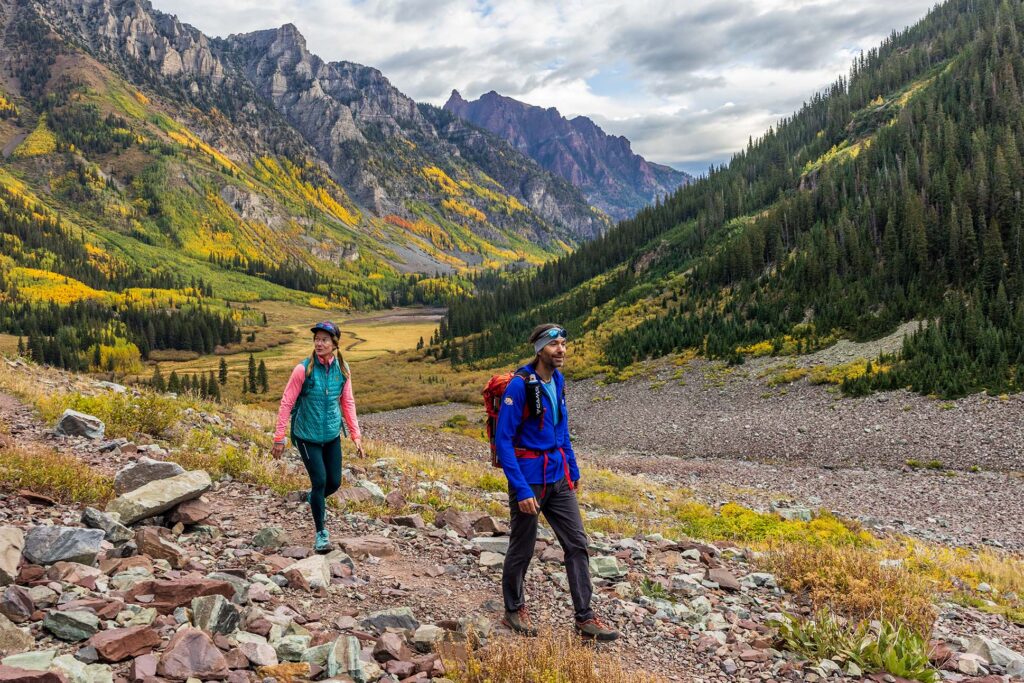
We were trekking amid the types of peaks that truly awe you with their size.
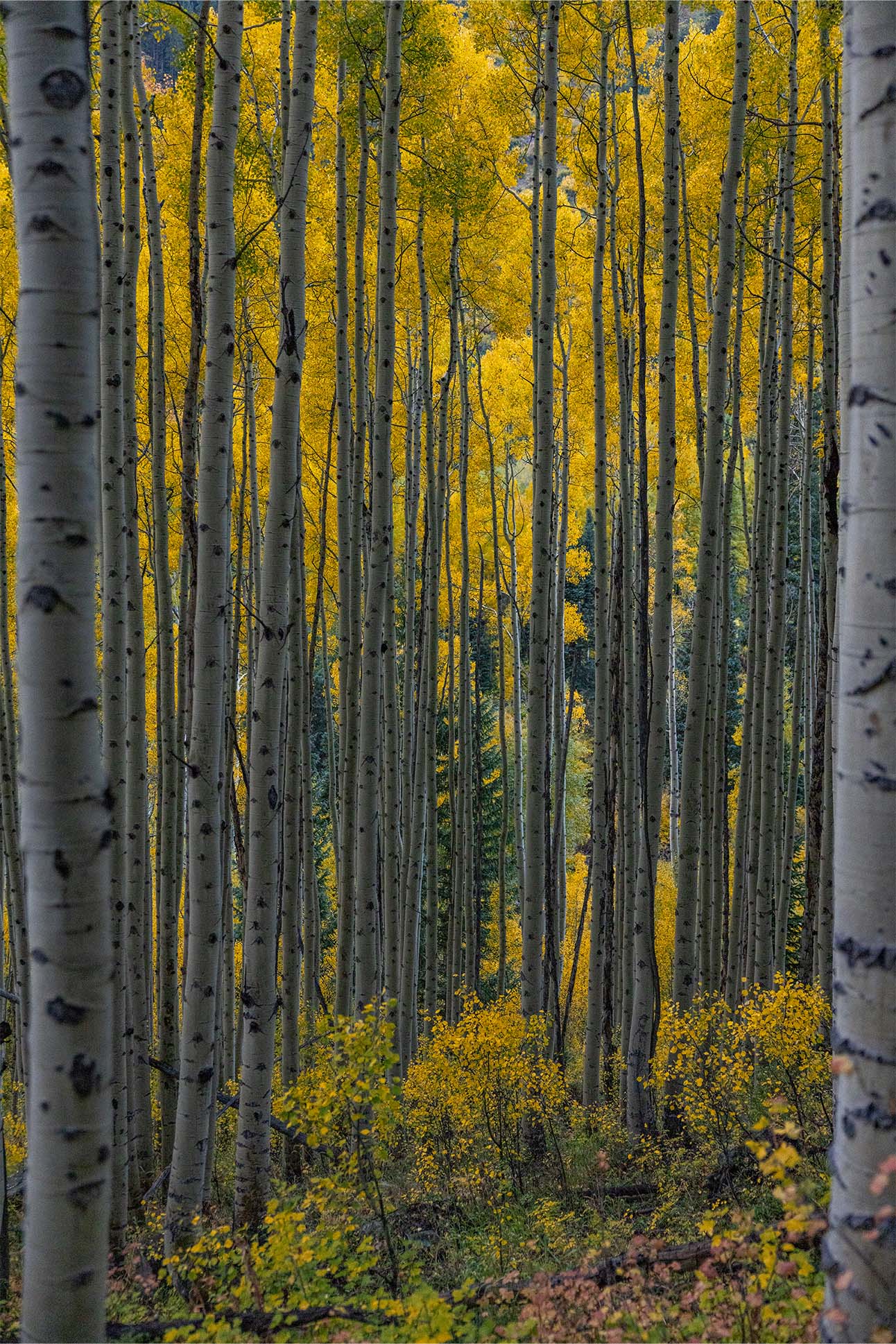
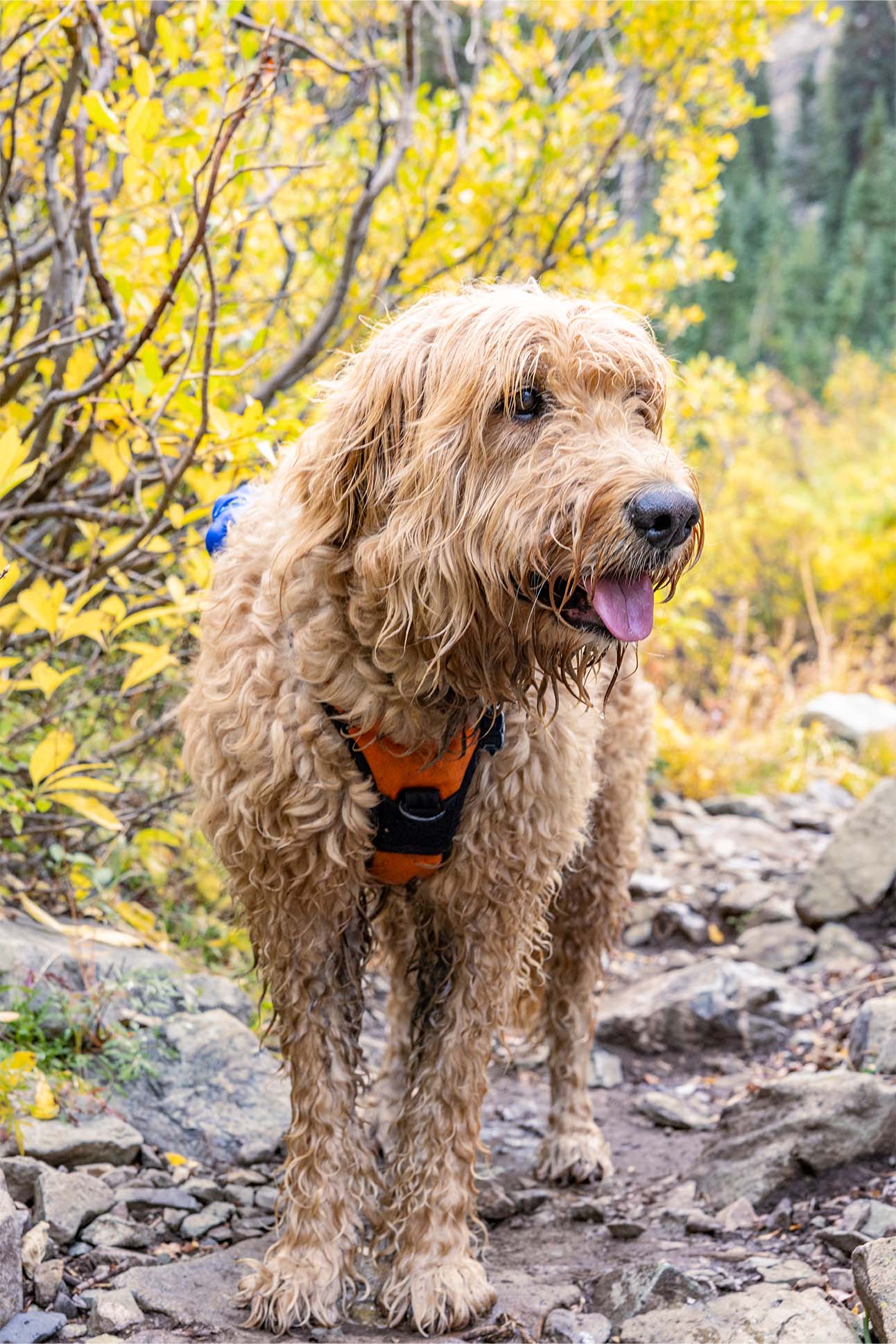
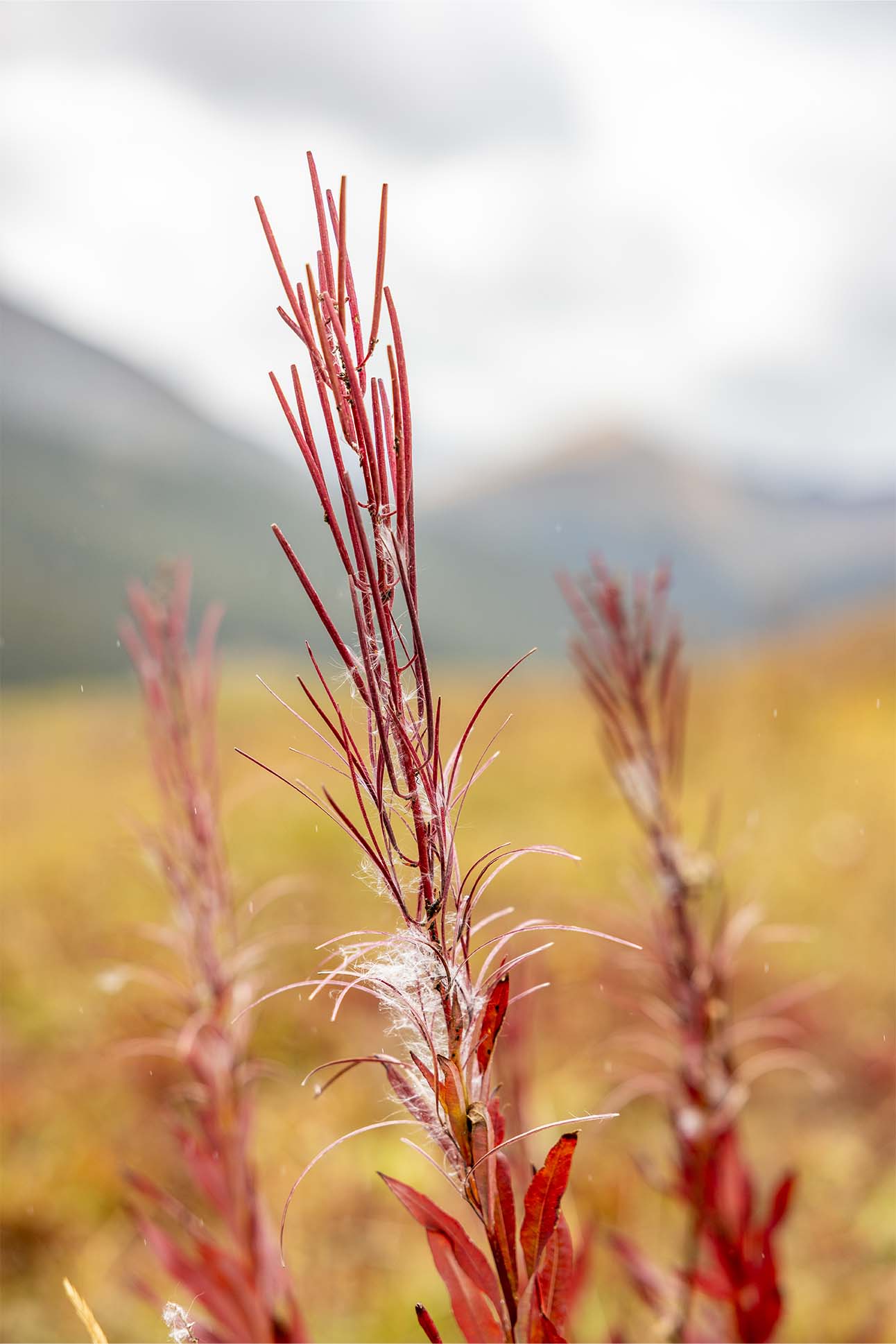
At cobalt-blue Crater Lake, we let Buddy, our goldendoodle, off his leash for a quick morning dip, then started on the long, moderate climb up West Maroon Creek. The higher we climbed, the thinner the crowd grew, and we soon found ourselves in solitude, humbled by our surroundings deep within the Elk Mountains. Yes, wildflower season is a stunner, I thought to myself, but there is something magical about the way the aspens shimmer in the sunlight, making the mountains appear cast in gold. I am surrounded by mountains in Boulder, where I hike regularly, but we were trekking amid the types of peaks that truly awe you with their size. The autumn glow only enhanced their majesty. As we transitioned to high-alpine tundra above the tree line, the landscape took on a lunar appearance. I felt my breath become slightly labored. Luckily, Scott was doing all of the talking. Pointing to the east, he directed our attention to Pyramid Peak, a popular 14er named for its distinct pointy summit. Along the trail, he flicked his hiking pole toward lingering lupine and fireweed that had “turned to smoke” and covered the trail in fluffy white seed pods. “We’re getting a taste of every season today,” he said. “That’s the magic of Aspen. You can experience it all in a day.”
Soon we were alone on the trail. The quietude was profound. I watched as Buddy’s ears perked up and seconds later we heard a soft chorus of howls. “Coyotes,” said Scott. This is what it feels like to be in true wilderness, I thought to myself. The nature was raw and wild, and quietly ignited all of my senses.
Just before 11 a.m., as we approached rocky West Maroon Pass, we glimpsed a string of hikers ascending the switchbacks. It was time for a pause, Scott decided—lunch before making our push to the top. We found a flat rock outcropping and pulled on layers to protect us from the wind, then unpacked our hearty turkey sandwiches from the Butcher’s Block, a beloved Aspen deli. “Hydrate, hydrate, hydrate,” Scott instructed for the 10th time as we packed up to continue the journey.
The pass was just one mile away, but the switchbacks were arduous, and as we navigated the slick rocks and lingering hikers, I was grateful for the support of my trekking pole. At the top of the pass, we hit “rush hour”—a cluster of hikers snapping photos and catching their breath. Ceding to the group, Scott allowed a brief moment to soak in the surrounding wilderness before insisting we continue our descent.

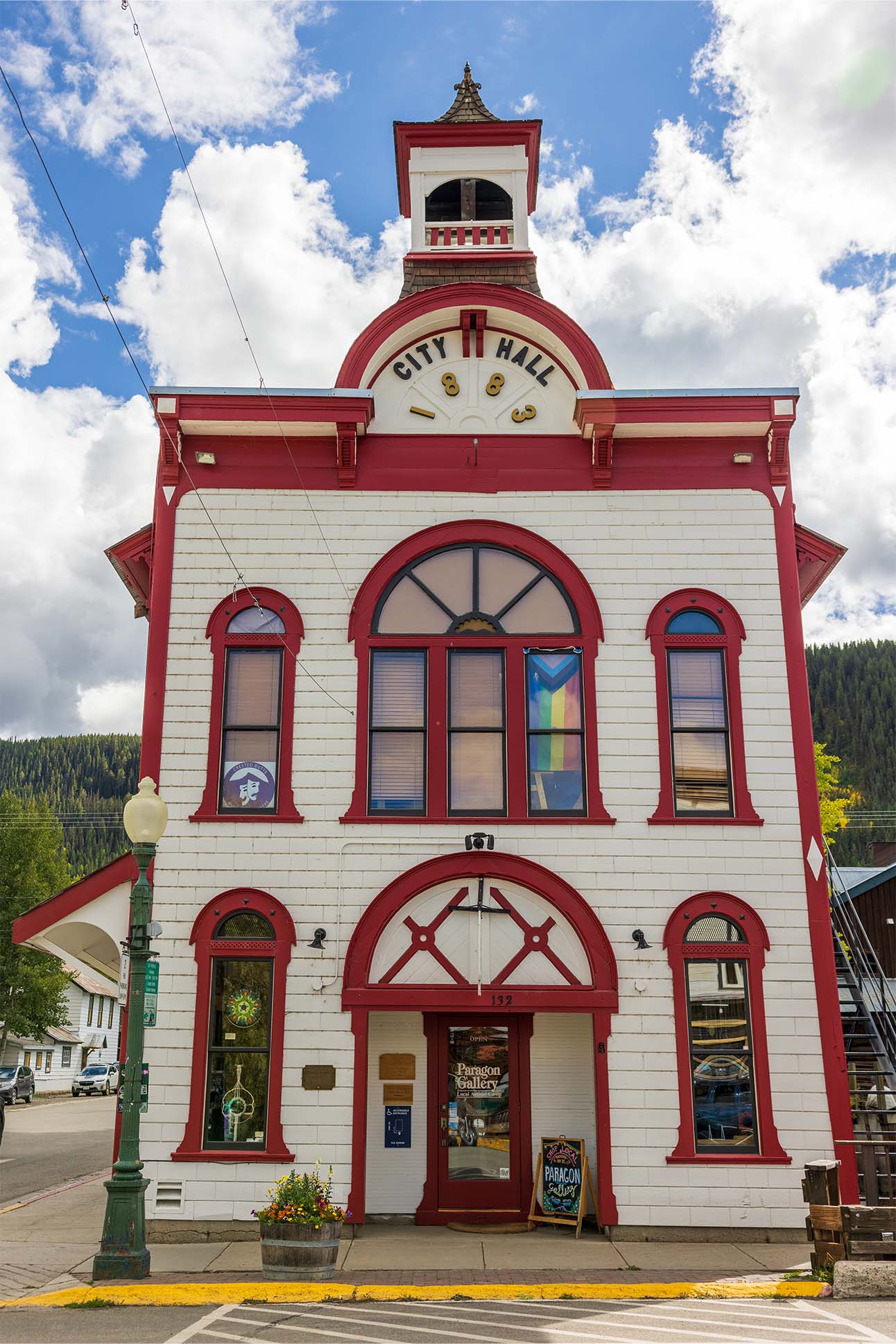
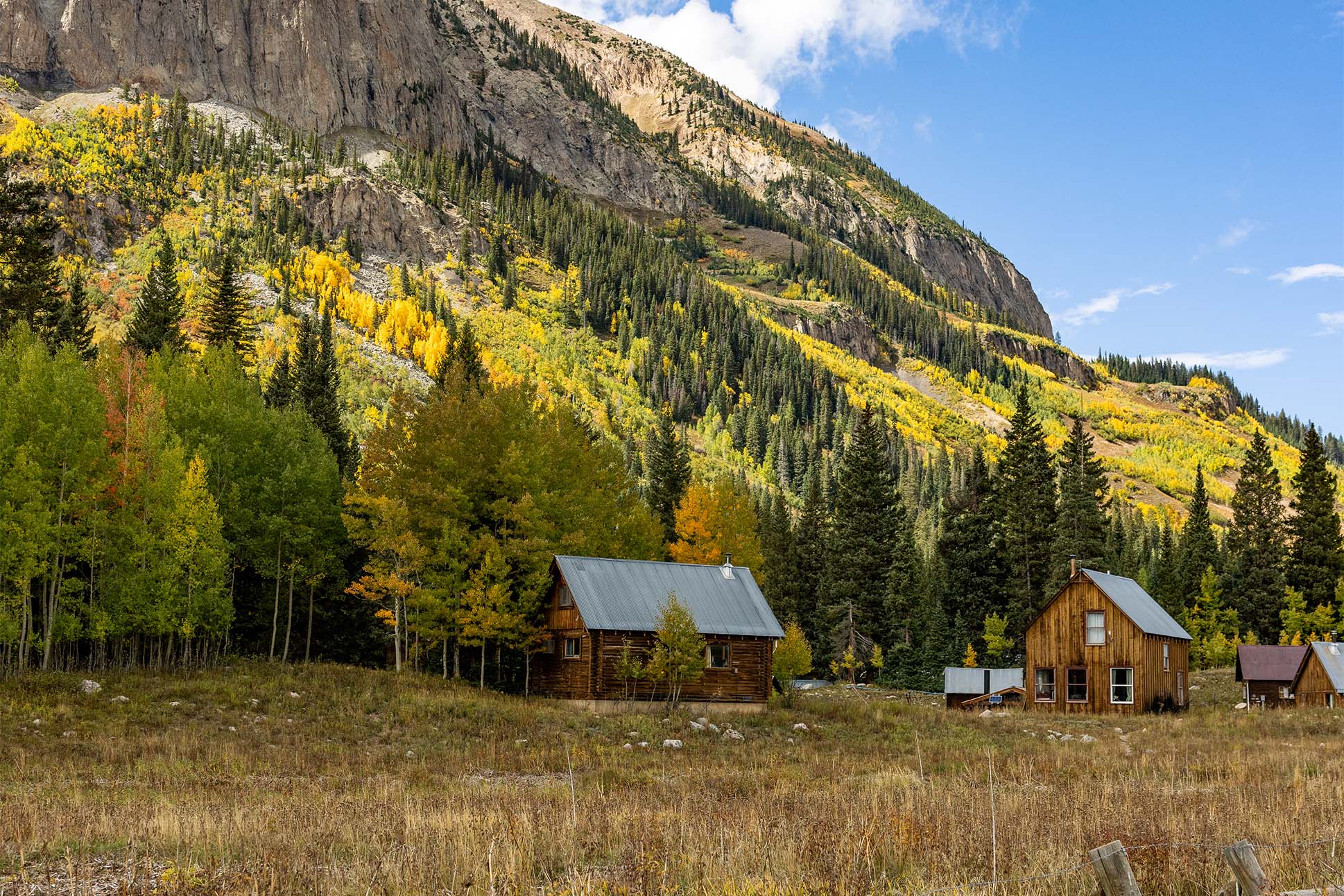
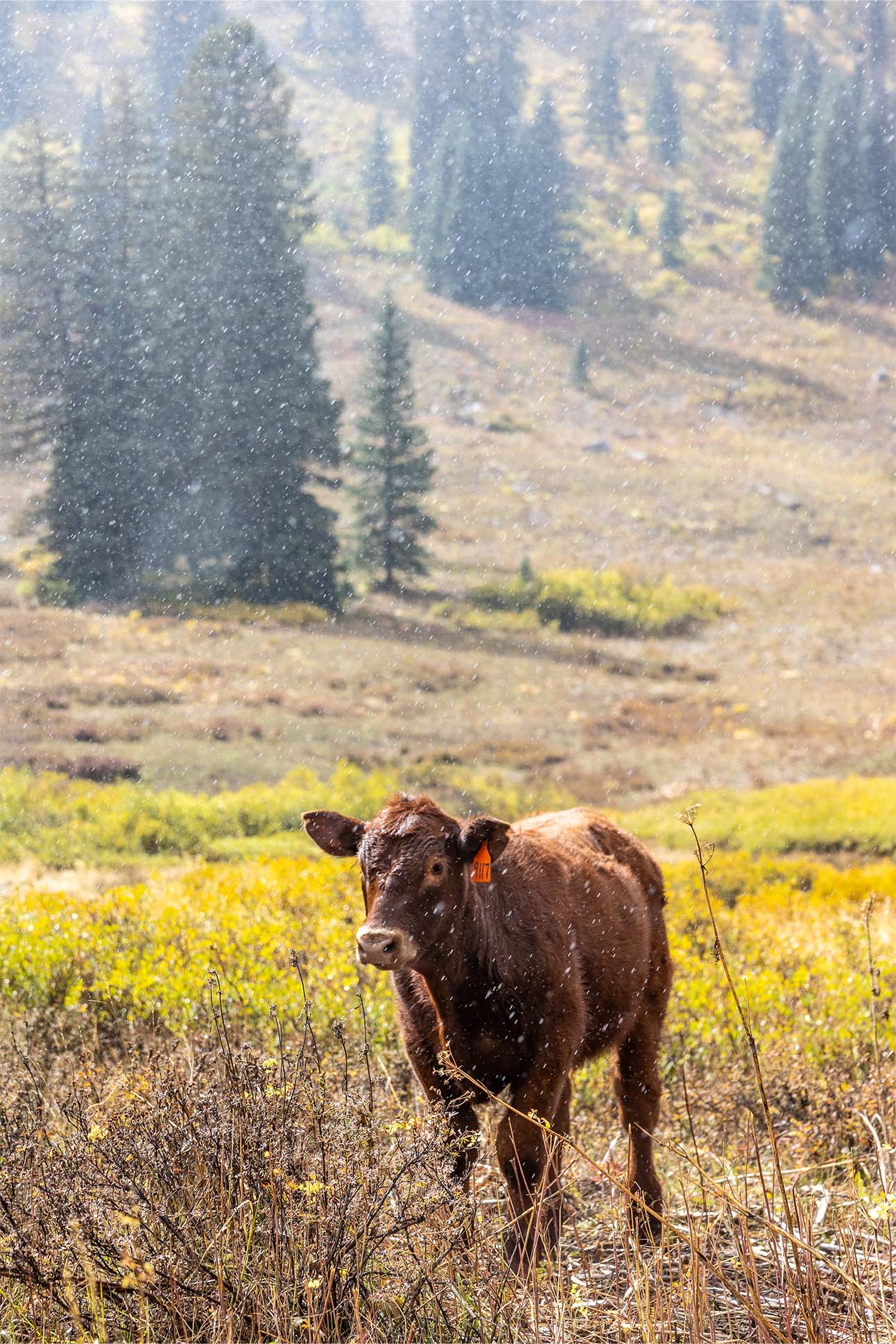
Nearly 40 minutes later, we spilled into Schofield Basin, a wide-open valley that could pass as a scene from the Alps. Scott paused and high-fived us. The toughest part of our journey was done. From there, it was a relatively easy four miles to our pick-up. A light flurry of snow had started to fall, and Scott encouraged us to quicken the pace, which even Buddy seemed reluctant to do. The trail eventually wound into a protected forest, and we stopped to examine the remains of an old cabin.
It was just after 1:30 p.m. when we reached the parking lot. The town of Crested Butte was still 14 miles away, but our shuttle driver was right on time. Grabbing a pizza and beer at the Secret Stash, a funky restaurant in Crested Butte known for its New York–style pies with creative toppings like black mission figs and sweet Thai chili sauce, is a West Maroon Pass hiking tradition. We collapsed into chairs at a patio table, loosening our hiking boots and toasting each other with local IPAs. “I wouldn’t want to hike back tomorrow,” Jan confided between sips. “But I’d love to do this again—and experience it in the summer.”